Customs Today
  • Home
  • Islamabad
  • Karachi
  • Lahore
  • National
  • Transfers and Postings
  • Chambers & Associations
  • Business
No Result
View All Result
Customs Today
  • Home
  • Islamabad
  • Karachi
  • Lahore
  • National
  • Transfers and Postings
  • Chambers & Associations
  • Business
No Result
View All Result
Customs Today
No Result
View All Result
Home International Customs Indonesia

Turning down heat in Indonesia’s oil palm industry

byCT Report
26/03/2018
in Indonesia
Share on FacebookShare on Twitter

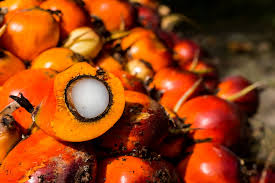
JAKARTA: In Indonesia, palm oil is a hot industry in more ways than one. In 2015 alone, it contributed USD 20.75 billion to the country’s export revenue. Oil palm plantations cover more than 14 million hectares of the country and, together with Malaysia’s, dominate the global market.

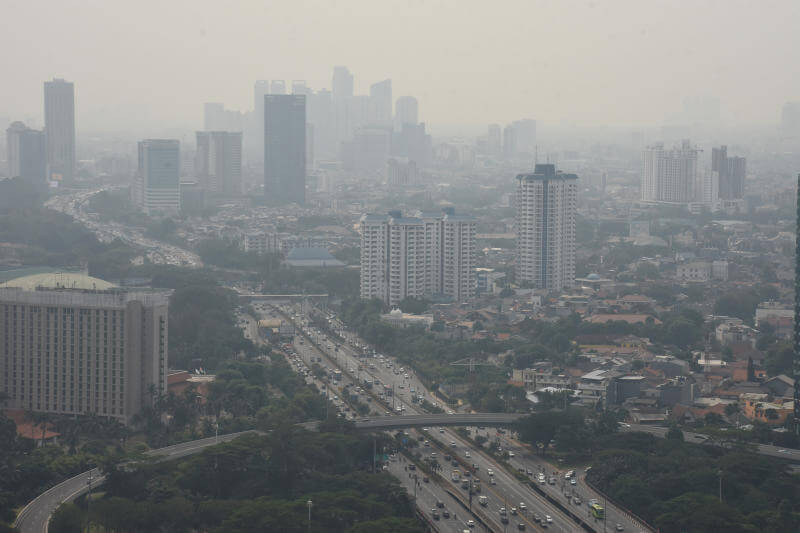
However, fire is still widely used in the development and planting of oil palm, including in carbon-rich peatlands. Resulting smoke and toxic haze have impacted the economy, the health and the environment of Indonesia and other Southeast Asian countries. In 2015, Indonesia’s peatland fires contributed to an economic loss of at least USD 16.1 billion and more than 100,000 premature deaths around the region.
You might also like

Indonesia records 2.68 percent January inflation using new formula

03/02/2020

Good time to invest in Indonesia: BI lauds country’s economic stability

30/01/2020

Sometimes the Ministry of Environment and Forestry and the Ministry of Agriculture get the blame for forest and land fire incidences. While potentially, the problem starts from the Investment Coordinating Board (BKPM) welcoming investment for refineries without considering whether there is enough capacity to supply them from legal sources.”

Furthermore, the study found that illegal oil palm developers can hold a lot of influence at local levels and force village governments to support them, often through deceptive use of a Certificate of Land (SKT).

This imbalance between governance and supply chain capacity can drive actors at the landscape level to meet the mill demands in ways detrimental to landscapes.

“Now there are mills everywhere, even in national park areas. People respond by developing plantations everywhere. The fastest and cheapest way is by burning.”

Related Stories

Indonesia records 2.68 percent January inflation using new formula

byadmin
03/02/2020

Indonesia recorded annual inflation of 2.68 percent in January in applying a new formula for calculating its consumer price index...

Good time to invest in Indonesia: BI lauds country’s economic stability

byadmin
30/01/2020

Indonesia has proven its ability to maintain economic stability and resilience amid global uncertainties, a top central banker has said...

SoftBank offers to invest up to $40bn in Indonesia’s new capital

byadmin
21/01/2020

JAKARTA: Japan's SoftBank Group has offered to invest between US$30 billion and $40 billion in the development of the new...

Indonesia, UAE sign business deal worth B690 billion

byadmin
13/01/2020

JAKARTA: Indonesia signed 11 business deals with the United Arab Emirates worth a combined 314.9 trillion rupiah (690 billion baht)...

Next Post

Ukraine rapeseed exports in Jan-Feb grew 30%

  • Terms and Conditions
  • Disclaimer

© 2011 Customs Today -World's first newspaper on customs. Customs Today.

No Result
View All Result
  • Transfers and Postings
  • Latest News
  • Karachi
  • Islamabad
  • Lahore
  • National
  • Chambers & Associations
  • Business
  • About Us

© 2011 Customs Today -World's first newspaper on customs. Customs Today.