
UAE: Going back two decades, the quaint United Arab Emirate of Fujairah, some 130km east of Dubai, started carving out its own unique place in the oil and gas industry under the benign shadow of Abu Dhabi; custodian of the world’s seventh-largest proven oil reserves.
Fujairah had what the other six of constituents of the UAE did not – a shoreline on the Gulf of Oman and not the Persian Gulf. Any ships loaded on the latter coastline remained vulnerable to Iranian belligerence and threats to close of the Strait of Hormuz, a maritime outlet from the Persian Gulf to the Indian Ocean via which 35% of the world’s oil traded by sea passes.
So when the Abu Dhabi government’s International Petroleum Investment Company (IPIC) gave a nod to Habshan–Fujairah oil pipeline project in 2006 – conscious of a potential geopolitical flashpoint disrupting oil shipments and congestion in its own ports – Fujairah got a shot in the arm it had always craved.
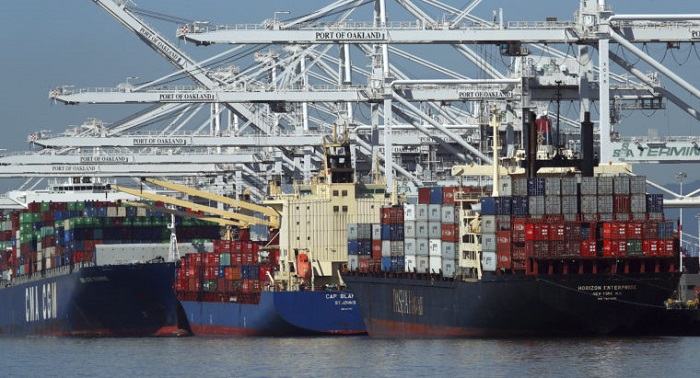
Shipping activity at Port Qasim on February 11
KARACHI: Three ships namely, Glen Canyon, Al-Salam- II and TSM Pollux carrying Containers, Gas oil and Palm oil were arranged...