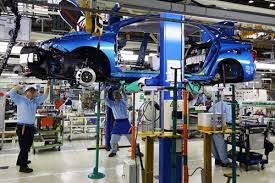

ATLANTA: Japan may be unable to negotiate a shorter grace period for the elimination of tariffs levied by the United States on Japanese vehicles in bilateral talks within the Pacific free trade initiative, sources close to the matter said.
Such tariffs may be abolished after more than 20 years as part of the U.S.-led Trans-Pacific Partnership deal, they said.
That will be shorter than the 30 years that the United States proposed in negotiations last year, but far longer than the 10 years within which the U.S. government has agreed to remove its auto tariffs in a separate bilateral free trade pact with South Korea.
The United States, Japan and 10 other countries involved in the free trade talks will begin ministerial-level talks Wednesday in Atlanta after chief negotiators wrapped up a four-day round of talks Tuesday to lay the groundwork.
Akira Amari, the Japanese minister in charge of TPP negotiations, said Tuesday at a news conference that the negotiators made progress in their negotiations as a whole, though he admitted that some difficult issues remain.
The outlook for reaching a broad agreement at the meeting of ministers remains unclear, with some key issues such as protection of new drug patents and market access for dairy products left unresolved.
The United States and Japan have already agreed that the grace period for removing U.S. auto tariffs will match the longest term agreed across all sectors in bilateral negotiations by TPP members on lifting tariffs.
Full details of tariff elimination under the TPP will not be made available until an agreement is reached.
But one of the sources has heard 20 years or longer are among the longest grace periods suggested by some TPP partners in their bilateral talks.
Tokyo has not given up on demanding a far shorter period for removing U.S. auto tariffs and is seeking the quick implementation of lowering U.S. auto tariffs as soon as the trade pact takes effect.
The United States levies a tariff of 2.5 percent on Japanese passenger cars and 25 percent on trucks.
The United States, Japan, Canada and Mexico have been divided over the ratio of local components made in the TPP zone.
Japan demands the figure be around 40 percent, while Canada and Mexico insist on around 62.5 percent, a similar level set in the North American Free Trade Agreement which the two signed with the United States in the 1990s, according to the sources.
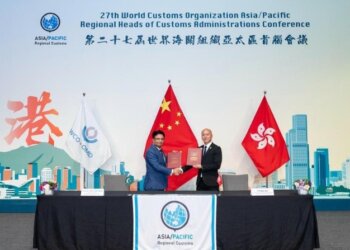
PSW integrates with Hong Kong’s ValidAP to boost trusted digital trade
ISLAMABAD: Pakistan has taken another step towards trusted digital trade with the operationalization of Pakistan Single Window’s (PSW) integration with...