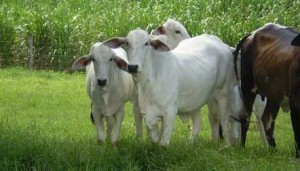

NEW YORK: Beef imports into the U.S. from South American regions known to have foot and mouth disease (FMD) became a reality. Some 14 states in Brazil and Argentina can now export beef to the U.S., as long as they can prove their beef is safe.
That is a big problem for beef organizations concerned about keeping FMD disease out of the U.S., and for cattle producers that believe the action will lower cattle prices in the U.S.
Even USDA Ag Secretary Tom Vilsack admitted the active FMD virus is present in these countries and the U.S. Government Accountability Office said the USDA is not currently capable of effectively responding to an outbreak of FMD in the U.S.
Many beef organizations across the U.S. are worried the new USDA rule will cause FMD outbreaks that could devastate U.S. cattle herds. If that happens, it would result in infection of animals, economic losses to ranchers, and serious damage to consumer confidence.
USDA admits allowing beef imports from Brazil and Argentina may have a negative impact on U.S. cattle prices.
With all these negatives, why would the U.S. allow these beef imports from Argentina and Brazil?
FMD is a serious disease in livestock and is currently in more than 100 countries.
The last outbreak of FMD in the U.S. occurred in 1929, and beef scientists have said it is not a matter of if it will occur again in the U.S.; it is a matter of when.
If FMD comes into the country at a time when beef prices have recovered to historic highs, this could be very detrimental to good beef prices.
But worse, FMD could devastate the U.S. cattle herd. The disease, which affects cloven-hoofed animals, is hard to control because there are seven different serotypes and 60 subtypes of the FMD virus, and it is doubtful enough vaccine could be made in time to control a serious outbreak of the disease.
In addition, when FMD virus strikes the herd, about one-fourth of the animals die or have to be euthanized, scientists say.
Countries that purchase beef from the U.S. would then likely consider switching to other countries without FMD.
FMD could cost the U.S. a lot of money to rebuild cattle herds, and at the same time, forcing more cow/calf producers out of business.
Beef organizations say they do not understand why the USDA approved this rule.
Argentina and Brazil must first meet import and inspection requirements before their beef can move into the U.S. But FMD could still slip through.
We believe our ranch families deserve better protection to keep U.S. animals healthy and protect their livelihoods.
Brazil and Argentina must first be able to meet the safety and inspection requirements of the USDA to satisfy the concerns of U.S. beef organizations and individual cattlemen.
We hope the USDA decision was not made in haste and question why it was made in the first place. And if some beef does slip in with FMD traces, we also hope the U.S. had better be ready with an emergency response to deal with the devastation FMD could cause.

Pakistan’s two and three-wheeler sales hit record 202,502 units in September
ISLAMABAD: Pakistan’s two- and three-wheeler sales reached an all-time high of 202,502 units in September 2026, crossing the 200,000-unit mark...