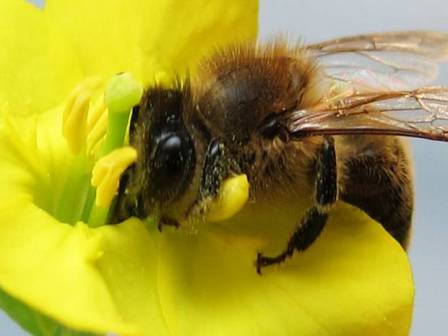


NEW YORK: Alert CBP agriculture specialists at a Laredo port of entry stung an ill-fated and unusual smuggling attempt as they seized a cache of undeclared live queen and worker honey bees from a group of travelers in a pickup truck.
“This interception of multiple colonies of live honey bees is an unusual discovery, something not seen in recent memory and reflects the commitment of our well-trained agriculture specialists to uphold (U.S. Customs and Border Protection’s) agriculture mission and prevent the import of foreign insects without appropriate permits,” said Joseph Misenhelter, Laredo Port of Entry director.
The importation of foreign bees is regulated to prevent the introduction and spread of diseases and parasites harmful to honey bees established in the U.S. such as the Varroa mite, which was introduced into the U.S. in the 1980s and has caused extensive damage to the beekeeping industry.
The number of managed honey bee colonies has been in steady decline. In 70 years, the U.S. honey bee colony population has decreased from 4 million in 1947 to 2.5 million today; native wild bees have been dying off in greater numbers. Bees of all types (wild and managed) play a crucial role in the farming industry in that bee pollination adds $15 billion worth of crop value each year and enable the production of 90 commercially grown crops in the U.S.
The interception occurred Sunday at the Lincoln-JuarezInternationalBridge. A CBP officer had referred a Dodge Ram with four occupants for a secondary examination. During the examination, CBP officers and agriculture specialists noted a wooden box filled with honey bees within a purse in the vehicle.
Upon further examination CBP officers and agriculture specialists intercepted a total of 40 live bees contained within five boxes within the purse and the clothing of three passengers. Each box contained a combination of one queen and seven worker bees.
Agriculture specialists detained the live bees as it is prohibited to import live insects without the proper import permits. They then forwarded the bees to U.S. Department of Agriculture entomologists for final identification.
Final USDA identification confirmed the bees as Apis mellifera (Linnaeus) (Apidae). The case has been referred to USDA Plant Protection and Quarantine’s Smuggling Interdiction and Trade Compliance officers and Animal and Plant Health Inspection Service’s Investigative and Enforcement Service for further investigation.

lamic banking assets reach Rs14.47 trillion, sector share rises to 23%
KARACHI: Pakistan’s Islamic banking sector expanded during 2025, increasing its share in the country’s financial system with assets reaching nearly...