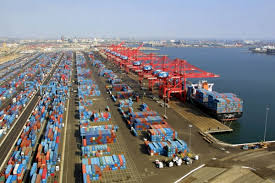
NEW YORK: The rise of alliances among shipping carriers and industry moves towards post-Panamax and ultra large cargo ships are pressuring many U.S. ports to address access restrictions. The widening of the Panama Canal, slated to open in 2016, will further intensify the need to accommodate larger ships. Some regional ports that serve secondary markets and are unable to process larger vessels risk losing some services or being skipped completely, Fitch Ratings says.
The combined impact of the shift to larger vessels and carrier alliances is giving shippers significant negotiating leverage over ports. Carriers are seeking economies of scale through higher utilization of each vessel, which can result in fewer vessel calls overall. Furthermore, larger vessels can limit an individual carrier’s reliance on any particular port or terminal. This has led to a reduction in the number of ports called on each voyage, raising pressure on ports to improve terminal capability and productivity.


Some ports which already have adequate water depth are investing to improve the efficiency of existing terminal facilities, seeking to maintain or improve their positions by increasing their share of first call services. Trends towards consolidating services could leave smaller regional ports at risk of losing some services or skipped completely by carriers.
Recent challenges seen at the Port of Portland are an example of how quickly the pressure on ports has risen. A project to deepen the 110-mile Columbia River deep-draft navigation channel from 40 feet to 43 feet was completed in 2010, but was insufficient to accommodate larger ships needing a 50-foot clearance. Subsequent labor disagreements further interrupted service at the port for long enough for carriers to halt container services, transferring cargo to other ports.