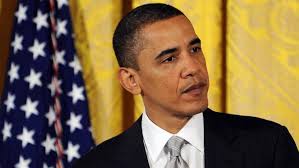
WASHINGTON: President Obama has been a cheerleader for corporate tax reform, calling for a cut in the 35% statutory rate to 28% without raising the deficit.
This year his budget proposed a big enough hike in corporate taxes $859 billion over 10 years to almost exactly offset the 10-year (statically scored) cost of lowering the rate by seven percentage points. Yet, the White House would spend more than 80% of those funds on a host of other priorities, including transportation projects and targeted tax cuts for green energy, advanced manufacturing and small business.


That would leave just $134 billion left for reducing rates over 10 years, the Congressional Budget Office said this month, barely enough to cut the corporate tax rate one percentage point. Yet even that is an overstatement. Because some extra spending categories would grow faster than the revenue, just $7 billion would be available in 2025 for reducing rates — about a half of a percentage point.
Despite the call for revenue-neutral tax reform, says Cato Institute tax policy director Chris Edwards, it’s clear “they want corporate tax reform to be a revenue raiser.”
Yet corporate tax reform would be very hard to achieve even with a neutral target, because it requires some industries to accept a worse deal so that others can get a better one and the nation would benefit.
As it stands, the statutory U.S. tax rate is the highest in the world. The federal rate of 35% plus state taxes put the U.S. rate at 39.1% vs. a 25.1% average for other OECD countries, the Con gressional Research Service says.
Lowering rates while broadening the tax base could simplify the code, while reducing the distortions and making the U.S. a more appealing place to locate a business.
Tax analysts have criticized the White House plan for failing to simplify the code and doing little to dissuade businesses from moving headquarters overseas to escape U.S. taxes.
The Obama budget gives into “the temptation to redistribute the ‘special deductions, credits, and other tax preferences, rather than ending them,'” wrote Timothy Taylor, managing editor of the Journal of Economic Perspectives, on his blog.
A more fundamental issue of growing importance in a globalizing economy: “This budget document basically just doubles down on going after revenue from abroad.”
The U.S. only taxes domestic subsidiaries of foreign-controlled companies based on the profits they earn here, while Obama wants to tax U.S.-based companies on the profits they earn all over the world.