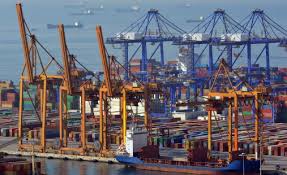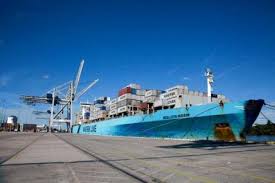
PONTE VEDRA: Diversions from congested West Coast ports are helping drive traffic growth at the Savannah port, setting the largest US southeast port to end its fiscal year with 14 to 14.5 percent more volume than in the prior year.
Such a torrid pace of growth resembles the frenetic pace of the 2000s in the runup to the Great Recession as opposed to the today’s generally more subdued environment for trade.
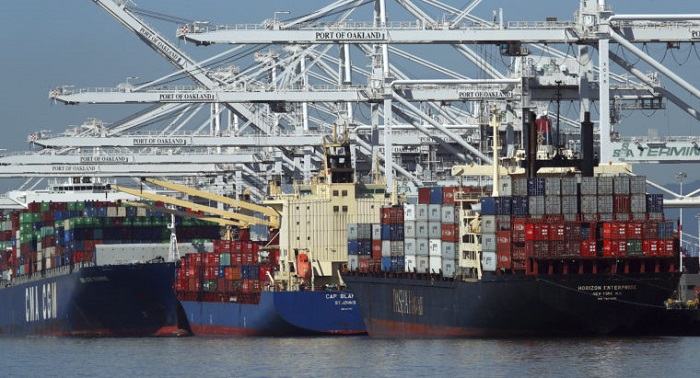

Georgia Ports Authority Executive Director Curtis Foltz has no definitive answer to the “million dollar question” of just how much of the diverted cargo will return to the West Coast once bottlenecks are cleared in coming months. But he told JOC.com that he estimates 20 percent to 40 percent will stick to the East Coast. His view that some shippers will permanently reroute some their cargo to the East Coast ports was shared by Jaxport CEO Brian Taylor and North Carolina State Ports Authority CEO Paul Cozza, who shared the stage with Foltz on a Tuesday morning panel at the Jaxport Logistics and Intermodal Conference in Ponte Vedra, Florida.
“If (beneficial cargo owners) were convinced that the challenges dominating the West Coast supply chain were going to be resolved through a (tentative) contract, we would have a different dynamic,” Foltz said. “But most in the industry realize that some of challenges were not associated with” negotiations between the International Longshore and Warehouse Union and waterfront employers.
Without the West Coast diversions, market shifts and the boost from the growing economy, Savannah port traffic would be expanding at a roughly 4 to 4.5 percent clip, Foltz said. But thanks to the unexpected strength of those drivers and a post-Chinese New Year surge of volume, much of which would have normally flowed to West Coast ports, Savannah is now handling the level of traffic it expected to handle in eight years from now. Container traffic jumped 14.2 percent last year compared to the same period in 2013, and traffic so far this fiscal year, which ends June 30, is up 13.7 percent year-over-year.
But handling the steep ramp-up in volume hasn’t been easy.
In a sign of just much the port “needs all hands on deck,”, the port authority stopped conducting tours for the public in late February and won’t restart the often-daily tours until April, he said.
Despite the traffic gains, Foltz said Savannah terminal velocity is still fluid. The average time it takes a Savannah harbor trucker to drop off and pick up a load has increased by several minutes to a little less than an hour. That slight increase in truck turn times isn’t surprising considering the busiest days before the pre-West Coast surge hit 8,000 gate moves, but last week at least 9,000 truck moved through the terminal gates daily. And, the truck gates handled roughly 9,700 truck moves during three of the five weekdays last week. Even with the busier gates, some drayage drivers are still getting eight truck turns a day, Foltz said.
But not all ports have been able to handle the surges of diversion cargo like Savannah has. The ports of Virginia and New York-New Jersey are having “challenges,” Foltz said. Severe weather has hurt the operation of both gateways for discretionary cargo headed to the Midwest.
“The port system in the U.S. is fragile, and we need both coasts to be healthy,” Foltz said. “When one of the coast catches a cold, it puts undue pressure on areas on the other coast that aren’t capable of handling the volume.”
While welcoming the volume gains, the trio of ports stressed the need to invest in landside, terminal and ocean infrastructure so that they could provide the high level of service to longtime shipper customers and those that choose to shift cargo from the West Coast.