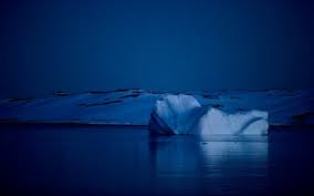
HONG KONG: Researchers from the Potsdam Institute for Climate Impact Research found that the West Antarctic Ice Sheet (WAIS) is melting at significant rates, suggesting an irreversible collapse, which may involve a sea level rise of about three meters in the next centuries. The implications of this finding encompass how the unstoppable breakdown could impact global populations.
How the Antarctic Ice Sheet will develop in the future signifies the biggest ambivalence in sea-level predictions of the present and future centuries. The authors of the study cited recent satellite data and high-resolution simulations pointing to the beginning of ice sheet disequilibrium in the Amundsen Sea area of West Antarctica due to the augmented melting of ice-shelf in the last decade.


The simulations of the study show that if the current melting rate persist for about 60 more years, will subject the WAIS to irreversible collapse. Once the threshold has been reached, prolonged disintegration follows and according to the authors, this damage cannot be curbed by topographic factors. At present, the authors are worried that WAIS has already reached the point of critical instability. More specifically, the authors predicted that over the next centuries or millennia, sea levels will rise by up to three meters (10 feet).
Various studies have pointed out the possibilities should sea levels rise in an unprecedented extent.