Customs Today
  • Home
  • Islamabad
  • Karachi
  • Lahore
  • National
  • Transfers and Postings
  • Chambers & Associations
  • Business
No Result
View All Result
Customs Today
  • Home
  • Islamabad
  • Karachi
  • Lahore
  • National
  • Transfers and Postings
  • Chambers & Associations
  • Business
No Result
View All Result
Customs Today
No Result
View All Result
Home Breaking News

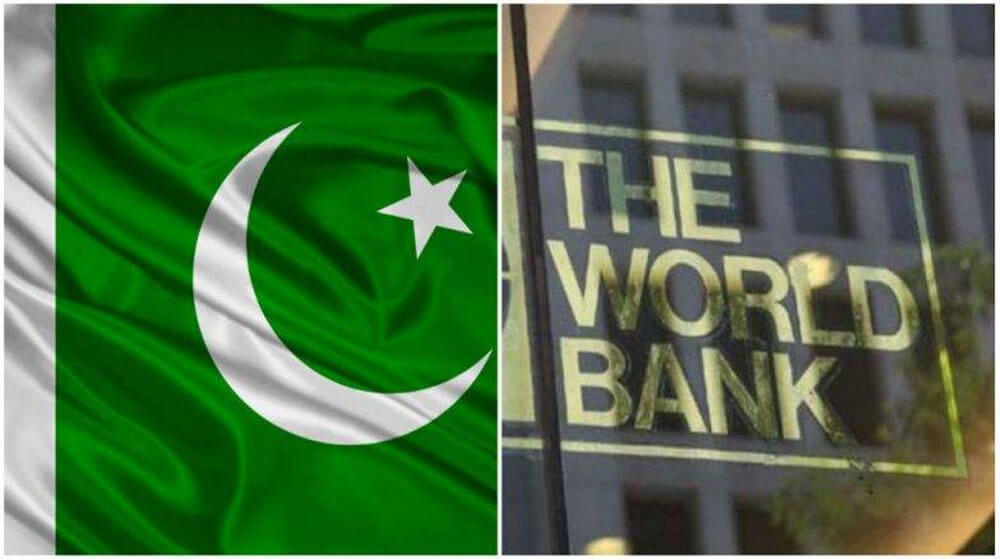
World Bank sees 2.6pc growth for Pakistan despite floods

byCT Report
07/10/2025
in Breaking News, Islamabad, Latest News, Slider News
Share on FacebookShare on Twitter

ISLAMABAD:  The World Bank has forecasted Pakistan’s GDP growth at 2.6% for fiscal year 2025-26. This prediction reflects the damaging effects of recent floods on the country’s agriculture sector. In the previous year, Pakistan’s economy grew by 2.7%, a slight increase from 2.5% in 2023-24. However, the floods are expected to cause a major decline in crop production, especially in Punjab.

According to early estimates, Punjab’s agricultural output may drop by at least 10%. Key crops such as rice, wheat, cotton, sugarcane, and maize will be affected. This decrease could raise food prices and inflation in the coming years. Despite this, the World Bank expects growth to improve to 3.4% in 2026-27. The rebound will come from better agricultural output, lower inflation, and increased private investment.


You might also like

Finance minister discusses REITs growth with stakeholders

02/05/2026

PM Shehbaz engages Bilal Bin Saqib on future of digital finance

02/05/2026

The report also highlights a five-year tariff reform plan running from 2025 to 2030. This plan aims to reduce Pakistan’s high tariffs by half to encourage export growth. Inflation dropped to single digits in 2024-25 due to easing food and energy prices. Still, supply chain disruptions caused by floods will likely push inflation up until 2027.

Poverty reduction remains a key focus, with a 9.4 percentage point decline recorded from 2011 to 2018. However, recent economic shocks and disasters have slowed progress. Pakistan continues to carry a large portion of the region’s poor population, making poverty alleviation critical.

Finally, the World Bank notes Pakistan’s high fertility rate compared to neighboring countries. Increasing female labor participation could boost GDP per capita by 20-30%. The broader Middle East, North Africa, Afghanistan, and Pakistan region is expected to grow 2.8% in 2025 and 3.3% in 2026 amid global risks.


Related Stories

Finance minister discusses REITs growth with stakeholders

byCT Report
02/05/2026

ISLAMABAD:Federal Minister for Finance and Revenue, Senator Muhammad Aurangzeb on Saturday chaired a virtual meeting of the Focus Group to...

PM Shehbaz engages Bilal Bin Saqib on future of digital finance

byCT Report
02/05/2026

LAHORE: Prime Minister Shehbaz Sharif held a meeting with Chairman of the Pakistan Virtual Assets Regulatory Authority (PVARA) Bilal Bin...

CM’s advisor Ali Mustafa Dar unveils AI governance plan

byCT Report
02/05/2026

RAWALPINDI: Advisor to the Chief Minister of Punjab on Artificial Intelligence and Special Initiatives, Ali Mustafa Dar, has announced that...

Pakistan’s inflation hits two-year high at 10.9pc in April

byCT Report
02/05/2026

ISLAMABAD: Pakistan’s inflation surged to a near two-year high of 10.9% in April, driven by rising fuel prices, global supply...

Next Post

Govt request IMF to revise macroeconomic framework amid economic pressures

  • Terms and Conditions
  • Disclaimer

© 2011 Customs Today -World's first newspaper on customs. Customs Today.

No Result
View All Result
  • Transfers and Postings
  • Latest News
  • Karachi
  • Islamabad
  • Lahore
  • National
  • Chambers & Associations
  • Business
  • About Us

© 2011 Customs Today -World's first newspaper on customs. Customs Today.