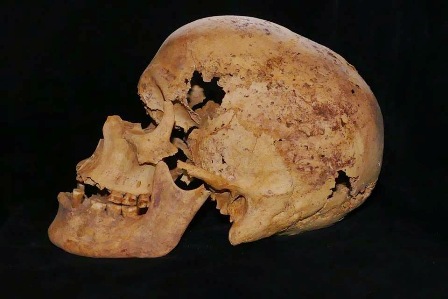


MALI: Anthropologists believe they have found the preserved skin tissue of an early human species in an ancient cave near Johannesburg, in South Africa.
Human skin belonging to two-million-year old fossils is believed to have been found in the remains of six ancient skeletons.
Anthropologists claim to have discovered preserved skin tissue belonging to an early human species in a cave near Johannesburg, in South Africa.
The tissue – thought to come from the species Australopithecus sediba – could be the oldest example of skin ever found and could reveal important details about early human life.
Experts believe they have also found the remains of early humans’ last meals in the skeletons’ teeth.
The discoveries follow excavation of the cave site following the discovery of the remains of a 4′ 2″ male skeleton in 2008.
Professor Lee Berger, an anthropologist at the University of Witwatersrand in Johannesburg, who has been leading the excavation, told Mail Online: “We found out this wasn’t just a normal type of rock that they were contained in – it was a rock that was preserving organic material.

Karachi Port sets 138-year cargo handling record
KARACHI: Pakistan's maritime sector has achieved a major milestone as Karachi Port set a new record in its 138-year history...