Customs Today
  • Home
  • Islamabad
  • Karachi
  • Lahore
  • National
  • Transfers and Postings
  • Chambers & Associations
  • Business
No Result
View All Result
Customs Today
  • Home
  • Islamabad
  • Karachi
  • Lahore
  • National
  • Transfers and Postings
  • Chambers & Associations
  • Business
No Result
View All Result
Customs Today
No Result
View All Result
Home Latest News

You can eat vegetables from Mars, say scientists after crop experiment

byCT Report
24/06/2016
in Latest News, Science
Share on FacebookShare on Twitter

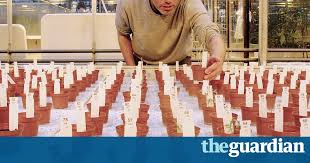
GELDERLAND: Crops of four vegetables and cereals grown in soil similar to that on Mars have been found safe to eat by Dutch scientists.

Radishes, peas, rye and tomatoes grown on dirt mixed on Earth to copy that of the red planet were found to contain “no dangerous levels” of heavy metals, said the team from Wageningen University in the Netherlands. “These remarkable results are very promising,” said senior ecologist Wieger Wamelink.

You might also like

Finance minister discusses REITs growth with stakeholders

02/05/2026

PM Shehbaz engages Bilal Bin Saqib on future of digital finance

02/05/2026

“We can actually eat the radishes, peas, rye and tomatoes, and I am very curious what they will taste like.”

Spuds in space: is growing potatoes on Mars key to surviving climate change?

Mars settlers would have to take their first food supplies with them and then plant crops in order to survive. In the 2015 film The Martian, Matt Damon plays an astronaut stranded on Mars who has to grow potatoes to survive.

Using soil developed by Nasa, the university has been experimenting since 2013 and has managed to raise 10 crops.

But some uncertainty remains about which ones might absorb the high levels of heavy metals such cadmium, copper and lead found on Mars.

Further tests are needed on the remaining six crops, including potatoes, in research that is being backed by a crowd-funding campaign.

Nasa plans a manned trip to Mars within the coming decades and similar projects are being pursued by the US billionaire Elon Musk and the Dutch company Mars One, tentatively aiming to set up human colonies.

“It’s important to test as many crops as possible, to make sure that settlers on Mars have access to a broad variety of different food sources,” said Wamelink.

Related Stories

Finance minister discusses REITs growth with stakeholders

byCT Report
02/05/2026

ISLAMABAD:Federal Minister for Finance and Revenue, Senator Muhammad Aurangzeb on Saturday chaired a virtual meeting of the Focus Group to...

PM Shehbaz engages Bilal Bin Saqib on future of digital finance

byCT Report
02/05/2026

LAHORE: Prime Minister Shehbaz Sharif held a meeting with Chairman of the Pakistan Virtual Assets Regulatory Authority (PVARA) Bilal Bin...

CM’s advisor Ali Mustafa Dar unveils AI governance plan

byCT Report
02/05/2026

RAWALPINDI: Advisor to the Chief Minister of Punjab on Artificial Intelligence and Special Initiatives, Ali Mustafa Dar, has announced that...

Pakistan’s inflation hits two-year high at 10.9pc in April

byCT Report
02/05/2026

ISLAMABAD: Pakistan’s inflation surged to a near two-year high of 10.9% in April, driven by rising fuel prices, global supply...

Next Post

Uganda's May coffee exports up 9% from a year earlier

  • Terms and Conditions
  • Disclaimer

© 2011 Customs Today -World's first newspaper on customs. Customs Today.

No Result
View All Result
  • Transfers and Postings
  • Latest News
  • Karachi
  • Islamabad
  • Lahore
  • National
  • Chambers & Associations
  • Business
  • About Us

© 2011 Customs Today -World's first newspaper on customs. Customs Today.