Customs Today
  • Home
  • Islamabad
  • Karachi
  • Lahore
  • National
  • Transfers and Postings
  • Chambers & Associations
  • Business
No Result
View All Result
Customs Today
  • Home
  • Islamabad
  • Karachi
  • Lahore
  • National
  • Transfers and Postings
  • Chambers & Associations
  • Business
No Result
View All Result
Customs Today
No Result
View All Result
Home Business

20% richest use 5 times more than 20% poorest: Govt urged to address problems of 50m poor

byCustoms Today Report
12/03/2015
in Business
Share on FacebookShare on Twitter

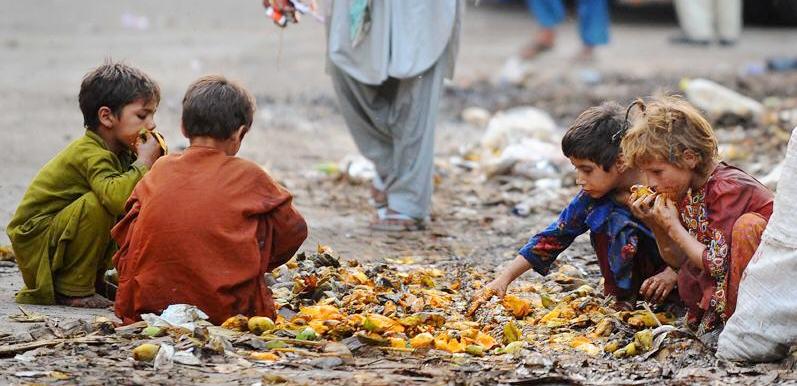
ISLAMABAD: A joint study, carried out by Oxfam Pakistan, and Sustainable Development Policy Institute (SDPI), has urged the government to address the issues of 50 million poor people across the country as the difference between income and consumption is widening further owing to unfair and regressive taxation.

According to the study the 20 per cent richest of Pakistan are getting richer as they are consuming five times more than the 20 per cent poorest.

You might also like

New, simple electricity bill format launched

17/06/2026

Petrol prices in Pakistan likely to decline

16/06/2026

The consumption share of top 10 percent was 31.3 percent while the share of bottom 40 percent was only 20 percent in 2011-12, which means the consumption of 18 million richest people was one and a half times more than 72 million poor people.

The research signifies the causes of inequality in a number of ways, including lack of opportunities to access health care and education, unequal distribution and access to land and capital.

Unjust policies, including unfair taxation, low spending on social protection and services has increased inequality.

About 60 percent of Federal Board of Revenue (FBR) income comes from indirect taxes that show regressive nature of taxation. The research reveals that due to tax exemptions Pakistan loses Rs500 billion annually which is 1.5 times the annual budget for education. Pakistan can get additional tax revenue of Rs 80-115 billion if the exemptions on agriculture are withdrawn.

Lack of tax revenues puts pressure on the budget and leads to inflationary monetary policies which which have an important impact on the distribution of real income of the poor.

Low tax base also implies that there is little room for investments in nutrition, public health and education.

Related Stories

New, simple electricity bill format launched

byCT Report
17/06/2026

ISLAMABAD: The Power Division has introduced a new and simplified electricity bill format across the country to improve consumer convenience,...

Petrol prices in Pakistan likely to decline

byCT Report
16/06/2026

ISLAMABAD: Following a sharp decline in global crude oil prices, petroleum product prices in Pakistan are expected to decrease in...

Chinese consortium to expand investment in Pakistan’s capital market infrastructure

byCT Report
15/06/2026

ISLAMABAD: Chinese investors have reaffirmed their long-term commitment to Pakistan’s capital markets following the resolution of key regulatory matters by...

Business leaders seek greater relief for salaried class in budget 2026-27

byCT Report
13/06/2026

ISLAMABAD: Leading business representatives have expressed mixed reactions to the federal budget, arguing that the salaried class deserved greater relief...

Next Post

Human activities have significant global impact on Earth’s ecosystems

  • Terms and Conditions
  • Disclaimer

© 2011 Customs Today -World's first newspaper on customs. Customs Today.

No Result
View All Result
  • Transfers and Postings
  • Latest News
  • Karachi
  • Islamabad
  • Lahore
  • National
  • Chambers & Associations
  • Business
  • About Us

© 2011 Customs Today -World's first newspaper on customs. Customs Today.