ISLAMABAD: Pakistan is trying to revive declining trade with neighbouring Iran, which has fallen by 75 per cent since 2009 after lifting of international curbs on the Islamic Republic after a deal on its nuclear programme.
However, Iran’s trade with India, China and Turkey boomed in the same period and Islamabad left behind in this competition despite the preferential trade agreement (PTA) signed a decade back with Tehran.


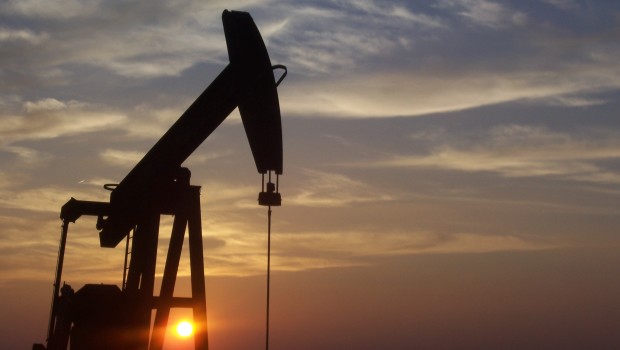
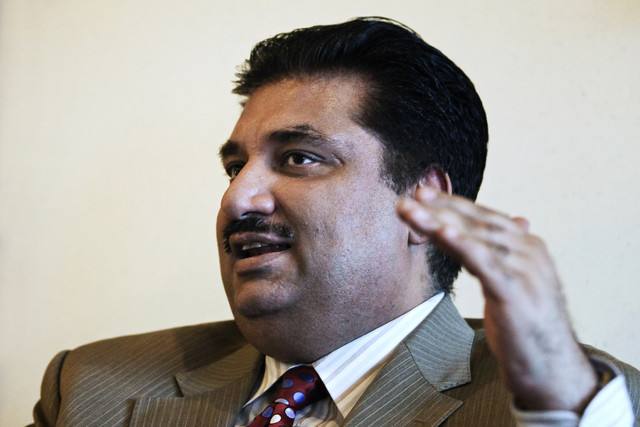
Commerce Minister Khurram Dastagir will lead a Pakistani delegation to Tehran next week for the joint economic ministerial meeting. The minister is very optimistic about the prospects of warmer and deeper ties between the two states with economies. Pakistan’s farm produce has a big market there and Iranian iron, steel, and more importantly, oil, gas and electricity can ease the energy crisis here.
Dastagir attributed the falling bilateral trade volume to stringent Western monetary sanctions that made banks reluctant to deal in finances directed to Iran and resulted in unilateral changes in trade policies in Iran.
Dastagir said that his team has completed homework on the oil pipeline, LNG terminal at Gwadar, creating proper ports for the regularisation of trade, payments for Iranian electricity in Gwadar and on creating greater transparency and consistency in commercial policies for the benefit of closer cooperation and higher two-way trade.
Meanwhile, All Pakistan Meat Producers and Exporters Association General Secretary Syed Hasan Raza said that the association’s members lost about a $50m market when Iran imposed a ban on meat imports without assigning any reason last year. He said exports to Iran constituted about one-fifth of Pakistan’s total formal meat exports.