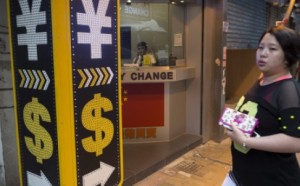
HONG KONG: Hong Kong’s economy fared better in the second quarter of this year, with growth at a stronger-than-expected 2.8 per cent, prompting the government to lift its target for full-year growth.
The economy grew faster between April and June, which the government attributed to buoyant demand within the city. This is despite the fact that the economic environment outside Hong Kong was relatively hostile, it added.


For the full year, the government expected growth to range from two to three per cent – up from an earlier target of between one and three per cent.
ANZ Research said second-quarter growth beat analysts’ consensus of a 2.3 per cent rise. Growth was 2.4 per cent in the first quarter.
Research by Hang Seng Bank showed that private consumption jumped 6 per cent in the second quarter, the highest rate since the first quarter of 2013 – and up from 5.3 per cent in the previous quarter, which underlined the positive impact of asset price appreciation and the expansion of the government relief package introduced in this year’s budget.
Still, some analysts say Hong Kong faces a cocktail of challenges ahead – a strengthening local currency, a weaker yuan, an economic downturn on the mainland and the ripple effect of a looming US interest rate rise.
Despite the decision to lift the full-year estimate, government economist Helen Chan warned of a more volatile global financial picture when the US raises interest rates.
“The outlook for the rest of 2015 continues to be overshadowed by considerable uncertainties, stemming from the external front,” she said.
Chan noted the depreciation of the yuan may affect the tourism industry, coupled with falling tourist numbers, and would have a particular impact on the catering and retail sectors.
Chan said the currency move would benefit Hong Kong, saying it was a “reform measure” that would allow market forces to play a greater role in setting the exchange rate.
“If the modest depreciation of the renminbi [could] help cushion the mainland economy against the setback in external trade, then it would also help Hong Kong’s export competitiveness down the road,” she said.
Separately, second-quarter inflation dropped to 2.5 per cent – the lowest level since 2011.