Customs Today
  • Home
  • Islamabad
  • Karachi
  • Lahore
  • National
  • Transfers and Postings
  • Chambers & Associations
  • Business
No Result
View All Result
Customs Today
  • Home
  • Islamabad
  • Karachi
  • Lahore
  • National
  • Transfers and Postings
  • Chambers & Associations
  • Business
No Result
View All Result
Customs Today
No Result
View All Result
Home Latest News

More Chinese ports restrict hazardous cargo after Tianjin explosions

byCustoms Today Report
14/09/2015
in Latest News
Share on FacebookShare on Twitter

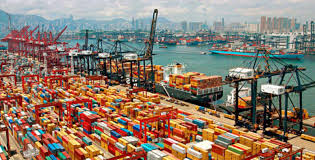
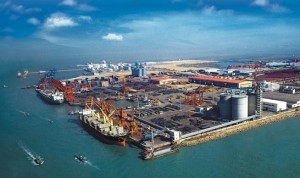
BEIJING: More Chinese ports have followed in the footsteps of the Port of Tianjin to restrict the movement of hazardous chemical cargoes at their facilities, disrupting global supply chains and the manufacturers that depend on the inputs.

The ports of Qingdao, Lianyungang, Ningbo, and Xiamen have tightened hazardous cargo regulations or outright forbid the potentially dangerous cargo at their facilities. Qingdao, Ningbo, and Xiamen are among the top 10 of Chinese ports exporting hazardous goods to the U.S., sitting at the No. 2, No. 7, and No. 8 spots, respectively.


You might also like

KP taxpayers unable to file returns?

24/09/2026
xr:d:DAFGZLzySpE:597,j:42004660331,t:22112408

Standing committees vital to ICCI’s success and service to business Community

24/09/2026

At the port of Qingdao, all class 4.1 (except sulfur), class 3/UN 2058, class 5.1/UN2465, and class 5.1/UN2468 cargoes are not allowed for storage including import and transshipment. The company said it will provide direct delivery if possible.

Qingdao handled 13.4 percent of all hazardous cargo sent to the U.S. in the first half of 2015 and received 7.4 percent of all hazardous cargo exported from the U.S. to China, according to PIERS a sister product of JOC.com within IHS.

At the port of Ningbo, a Material Safety Data Sheet, which provides guidance on how to handle or respond to an issue with dangerous goods, is now required on all such cargoes transshipped via the port. Ningbo handled 13.8 percent of hazardous cargo bound for the U.S. in the first half and received 4.4 of all hazardous goods sent from the U.S. to China.

In Xiamen, the Xiamen Ocean Gate Container Terminal, which handled 3.6 percent of all hazardous goods bound for the U.S. and imported 3.4 percent of all hazardous goods sent from the U.S. to China, has stopped accepting all dangerous cargoes whether for export or import.

The port of Lianyungang has stopped accepting Class 1 and Class 2 dangerous cargoes including export and import. Following explosions that left 114 people dead and hundreds injured, the port of Tianjin was the first Chinese port to totally ban the movement of hazardous goods.


Related Stories

KP taxpayers unable to file returns?

byCT Report
24/09/2026

PARACHINAR: The Federal Board of Revenue (FBR) should immediately rectify an error in new income tax return where compliant taxpayers...

xr:d:DAFGZLzySpE:597,j:42004660331,t:22112408

Standing committees vital to ICCI’s success and service to business Community

byCT Report
24/09/2026

ISLAMABAD: President Islamabad Chamber of Commerce and Industry (ICCI) Sardar Tahir Mehmood has paid rich tribute to the members of...

Punjab: Citizens can now verify tax receipts through this app

byCT Report
24/09/2026

LAHORE: The Punjab Revenue Authority (PRA) has launched an app for taxpayers to verify the authenticity of receipts through a...

Cutlery exports increase 17.78pc to $10.280m

byCT Report
24/09/2026

ISLAMABAD: The exports of cutlery witnessed an increase of 17.78 percent during the first two months of the current financial...

Next Post

Port of Hamburg shows Germany vulnerable on trade

  • Terms and Conditions
  • Disclaimer

© 2011 Customs Today -World's first newspaper on customs. Customs Today.

No Result
View All Result
  • Transfers and Postings
  • Latest News
  • Karachi
  • Islamabad
  • Lahore
  • National
  • Chambers & Associations
  • Business
  • About Us

© 2011 Customs Today -World's first newspaper on customs. Customs Today.