BEIJING: Mooring lines hang from the hull of the A.P. Moller container ship, operated by AP Moeller-Maersk A/S, at the Port of Durban, operated by Transnet SOC Holdings Ltd.’s Ports Authority, in Durban, South Africa.
Transnet is planning to spend between 340 billion rand and 380 billion rand over the next ten years to expand and upgrade rail and port capacity, Acting Chief Executive Officer Siyabonga Gama said.


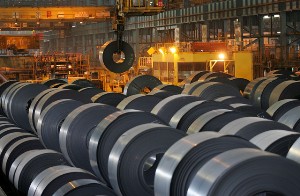
The flood of steel that mills in China are pushing onto global markets fell in October from a record amid rising trade frictions and weak overseas demand, signaling that what’s been a safety valve for the world’s top producer may now be starting to close.
Outbound cargoes of steel shrank 20 percent to 9.02 million metric tons last month from September, according to customs data released on Sunday. That was the lowest figure since June, and below the monthly average so far this year of 9.21 million tons.
“The slump in steel exports last month compared with September reflects rising trade frictions for Chinese products,” Helen Lau, an analyst at Argonaut Securities (Asia) Ltd. in Hong Kong, said after the release of the data, which showed overall exports from the country dropped for a fourth month. “There have been complaints in Asean, Europe and recently the U.S.” about Chinese steel, Lau said.
China’s mills, which account for half of global production, have exported unprecedented volumes of the metal this year to help counter contracting demand in Asia’s top economy. The surge has undermined prices and increased competition from India to Europe and the U.S., spurring complaints that the trade is unfair. While down on-month, China has still shipped 25 percent more steel this year than in the same period of 2014.