Customs Today
  • Home
  • Islamabad
  • Karachi
  • Lahore
  • National
  • Transfers and Postings
  • Chambers & Associations
  • Business
No Result
View All Result
Customs Today
  • Home
  • Islamabad
  • Karachi
  • Lahore
  • National
  • Transfers and Postings
  • Chambers & Associations
  • Business
No Result
View All Result
Customs Today
No Result
View All Result
Home Latest News

Chinese Customs seizes 700kg of banned plant khat

byCT Report
16/03/2016
in Latest News
Share on FacebookShare on Twitter

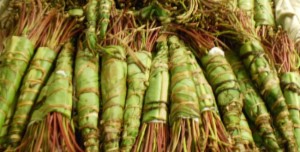
BEIJING: Customs authorities in China seized a total of 705 kilograms of banned plant Khat, which can be used as stimulant, from Ethiopia.

Khat was banned in China 2014, which makes it a criminal offense to plant hold, transport, traffic or eat the leafy shrub.


You might also like

KP approves Finance Bill 2026-27 with new taxes, tougher penalties

27/06/2026

Pakistan honored with SCO Business Council leadership for 2027

27/06/2026

The first parcel full that contained 14 kilos of khat, a leafy shrub grown in the Arabian Peninsula was discovered in Shenyang last December.

Customs agents believed there were more parcels coming from Ethiopia that possibly contain the banned plant so they conducted thorough investigation.

According to the official Xinhua news agency, custom agents found more parcels containing Khat from Ethiopia in Beijing, Nanjing, Hangzhou, and Shenzhen.

At least three people have already been arrested for receiving the parcels of Khat from Ethiopia. The three have been officially charged in a Chinese court.

According to Shenyang customs officials, China was only used a transit point for the smuggling of Khat as the suspects reportedly were planning to send the banned plant to other countries for profit.

Khat can be brewed as tea, smoked or chewed. It is a leafy green plant that contains a monoamine alkaloid called cathinone, an amphetamine-like stimulant, which is said to cause excitement, loss of appetite and euphoria.

It is a controlled substance in some countries, such as Canada, Germany, the United Kingdom, and the United States, while its production, sale, and consumption are legal in other nations, including Djibouti, Kenya, Ethiopia, Somalia and Yemen.


 

Related Stories

KP approves Finance Bill 2026-27 with new taxes, tougher penalties

byCT Report
27/06/2026

PESHAWAR: The Khyber Pakhtunkhwa government has approved the Finance Bill for fiscal year 2026-27, introducing significant increases in provincial taxes...

Pakistan honored with SCO Business Council leadership for 2027

byCT Report
27/06/2026

ARACHI: Atif Ikram Shiekh, President of the Federation of Pakistan Chambers of Commerce and Industry (FPCCI), has attended the Shanghai...

Pakistan, Iran push for rail and road connectivity to unlock bilateral trade

byCT Report
27/06/2026

LAHORE: Pakistan and Iran have agreed to accelerate efforts to improve cross-border transportation networks, with both countries identifying stronger road...

SHC declares FBR officers’ appointment to monitor private business null & void

byCT Report
27/06/2026

KARACHI: The Sindh High Court (SHC) on Saturday declared a Federal Board of Revenue (FBR) office order appointing officers to...

Next Post

Russia's giant carmaker plans to boost export by 20,000 cars in 2016

  • Terms and Conditions
  • Disclaimer

© 2011 Customs Today -World's first newspaper on customs. Customs Today.

No Result
View All Result
  • Transfers and Postings
  • Latest News
  • Karachi
  • Islamabad
  • Lahore
  • National
  • Chambers & Associations
  • Business
  • About Us

© 2011 Customs Today -World's first newspaper on customs. Customs Today.