Customs Today
  • Home
  • Islamabad
  • Karachi
  • Lahore
  • National
  • Transfers and Postings
  • Chambers & Associations
  • Business
No Result
View All Result
Customs Today
  • Home
  • Islamabad
  • Karachi
  • Lahore
  • National
  • Transfers and Postings
  • Chambers & Associations
  • Business
No Result
View All Result
Customs Today
No Result
View All Result
Home Latest News

Chinese Customs seizes 700kg of banned plant khat

byCT Report
16/03/2016
in Latest News
Share on FacebookShare on Twitter

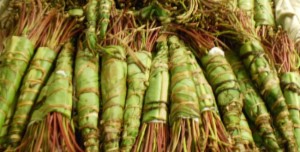
BEIJING: Customs authorities in China seized a total of 705 kilograms of banned plant Khat, which can be used as stimulant, from Ethiopia.

Khat was banned in China 2014, which makes it a criminal offense to plant hold, transport, traffic or eat the leafy shrub.


You might also like

Saudi Asyad Group pledges to expand investment in Pakistan, eyes airport privatisation

27/08/2026

PAAPAM urges govt to retain one-year used-car transfer ban in Auto Policy 2026-31

27/08/2026

The first parcel full that contained 14 kilos of khat, a leafy shrub grown in the Arabian Peninsula was discovered in Shenyang last December.

Customs agents believed there were more parcels coming from Ethiopia that possibly contain the banned plant so they conducted thorough investigation.

According to the official Xinhua news agency, custom agents found more parcels containing Khat from Ethiopia in Beijing, Nanjing, Hangzhou, and Shenzhen.

At least three people have already been arrested for receiving the parcels of Khat from Ethiopia. The three have been officially charged in a Chinese court.

According to Shenyang customs officials, China was only used a transit point for the smuggling of Khat as the suspects reportedly were planning to send the banned plant to other countries for profit.

Khat can be brewed as tea, smoked or chewed. It is a leafy green plant that contains a monoamine alkaloid called cathinone, an amphetamine-like stimulant, which is said to cause excitement, loss of appetite and euphoria.

It is a controlled substance in some countries, such as Canada, Germany, the United Kingdom, and the United States, while its production, sale, and consumption are legal in other nations, including Djibouti, Kenya, Ethiopia, Somalia and Yemen.
 

Related Stories

Saudi Asyad Group pledges to expand investment in Pakistan, eyes airport privatisation

byCT Report
27/08/2026

ISLAMABAD: Saudi investor Asyad Group has expressed its commitment to expand its existing investments in Pakistan and explore new opportunities...

PAAPAM urges govt to retain one-year used-car transfer ban in Auto Policy 2026-31

byCT Report
27/08/2026

ISLAMABAD: The Pakistan Association of Automotive Parts & Accessories Manufacturers (PAAPAM) has urged the government to retain safeguards against the...

Iran bans Pakistani firm over exporting untreated mangoes

byCT Report
27/08/2026

ISLAMABAD: Iran has officially banned a Pakistani hot water treatment facility after detecting pest contamination in exported mango shipments, sparking...

Madrassas set to join formal banking system after landmark agreement

byCT Report
27/08/2026

KARACHI: Religious leaders, the State Bank of Pakistan (SBP) and financial institutions have agreed on a plan to resolve the...

Next Post

Russia's giant carmaker plans to boost export by 20,000 cars in 2016

  • Terms and Conditions
  • Disclaimer

© 2011 Customs Today -World's first newspaper on customs. Customs Today.

No Result
View All Result
  • Transfers and Postings
  • Latest News
  • Karachi
  • Islamabad
  • Lahore
  • National
  • Chambers & Associations
  • Business
  • About Us

© 2011 Customs Today -World's first newspaper on customs. Customs Today.