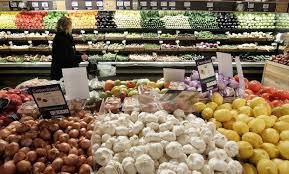
Paris: On Wednesday, President Emmanuel Macron’s government presented measures to rein in supermarket price wars in an attempt to strike a balance between farmers who claim they’re underpaid for their produce and consumers who are concerned with their purchasing power. The so-called “law for a balanced commercial relationship in the agricultural and food sector, and for healthy and sustainable food” tightens up rules against stores selling at a loss and bases prices paid to farmers on their production costs. We will preserve our capability to produce while ensuring a fair price to our farmers,” agriculture minister Stéphane Travert said after the measures were approved at Wednesday’s cabinet meeting. “This law will revolutionise and reverse the relationship between farmers and large retailers.”
Farmers will be encouraged to set up sellers groups that will establish minimum prices, and contracts will be renegotiated if production costs change. “Agriculture is the only industry I know where the producers don’t state their prices,” Travert said. The law also limits special offers that retailers can offer on fresh food products. About a third of French farmers make less than €350 a month ($430), according to the main health insurer for the sector, while their average income is just €15,000 a year. At the same time, the tight finances of many French families was underscored last week by scenes of total disorder and even fights when crowds descended on Intermarché stores after it discounted Nutella, a chocolate-hazelnut spread made by Ferrero, by 70%. I met with the head of Intermarché yesterday, and I said this couldn’t happen again,” finance minister Bruno Le Maire said on RTL Radio. Selling at a loss is illegal in France outside of certain sales periods. Le Maire said the government’s plans to reduce payroll tax cuts and encourage greater profit-sharing at companies would lift purchasing power.