MULTAN: The recent unannounced changes to Pakistan Customs’ Risk Management System (RMS) have caused significant disruptions to the clearance process for thousands of containers carrying essential goods, particularly in South Punjab.
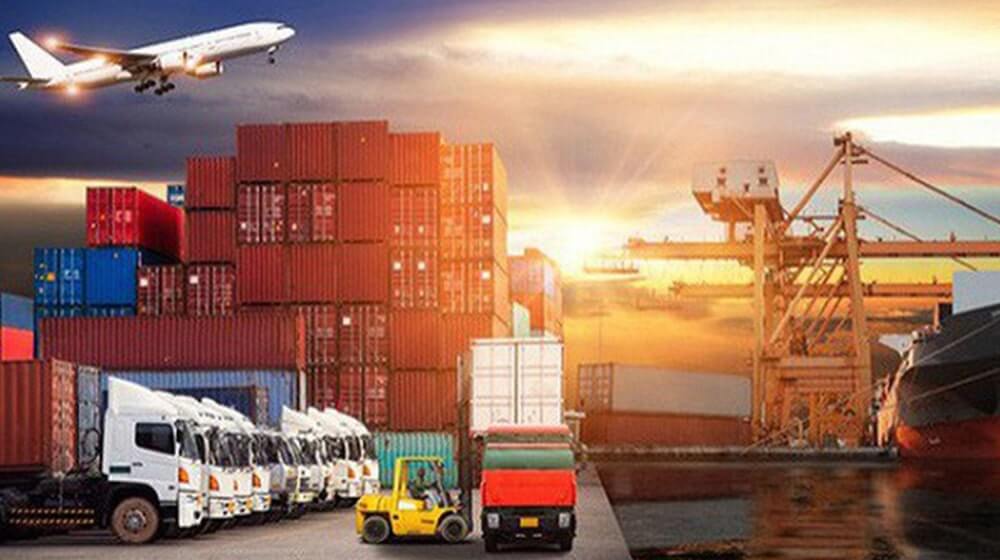
According to the Multan Chamber of Commerce and Industry (MCCI), Customs reduced the green channel clearance rate from over 47% to under 26%, leading to severe delays in the offloading and inspection of imported goods. This abrupt alteration has resulted in a backlog of containers, further burdening terminal operators and Customs officials, who are now facing the pressure of managing increased workloads and longer clearance times.


Importers in the South Punjab region are now experiencing delays of up to four days just to offload containers, followed by an additional two to three days for further examination and clearance.
These delays have been exacerbated by the ongoing smog in South Punjab, particularly in cities like Multan, Bahawalpur, and Dera Ghazi Khan. The dense fog and air pollution have slowed down the inspection process, making it more difficult for Customs authorities to clear shipments in a timely manner.
While regions like Karachi and Lahore are experiencing relatively smoother operations, the adverse weather conditions in South Punjab are creating significant inefficiencies.
As a result, private terminal operators and shipping companies are benefiting from demurrage and container rent charges, which are being passed on to importers. These additional costs, accumulating every five days, are driving up business expenses, putting further financial strain on an already struggling sector. The delays are particularly detrimental to industries reliant on time-sensitive goods, such as pharmaceuticals, medical devices, food staples, and steel. With crucial imports being held up, supply chains are disrupted, leading to potential shortages in local markets and rising prices.
The business community in South Punjab has expressed frustration over the lack of communication from Customs regarding the changes in the green channel system, and many are calling for immediate intervention to address the issue. Importers have also raised concerns about the broader impact of these delays on their profitability and competitiveness. “The sudden change in Customs clearance procedures is an additional burden at a time when businesses are already grappling with rising costs due to inflation and utility price hikes,” said an MCCI spokesperson.
In light of these challenges, importers are urging the government and Customs authorities to expedite the clearance process, restore the green channel clearance rate, and provide clearer guidelines on risk management procedures. The introduction of more predictable and transparent systems is critical to minimizing delays and ensuring that essential goods continue to flow into local markets without further disruption.
Until these issues are resolved, the ongoing delays are expected to exacerbate the financial difficulties faced by businesses in South Punjab, further complicating the region’s already precarious economic situation