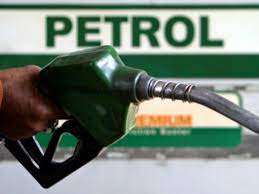
ISLAMABAD: The federal government has approved a significant increase in the prices of petroleum products, raising both petrol and high-speed diesel by Rs55 per litre, with the new rates coming into force from 12:00am midnight.
Following the increase, the price of petrol has been set at Rs321.17 per litre, while high-speed diesel will now cost Rs335.86 per litre across the country.

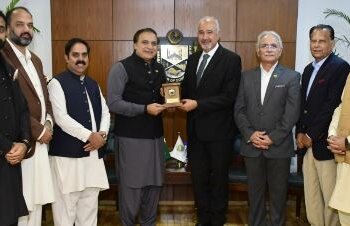
The decision was taken following a high-level meeting held in Islamabad, chaired by Ishaq Dar, who currently serves as Pakistan’s Deputy Prime Minister. The meeting focused on reviewing the country’s petroleum reserves and fluctuations in global oil prices, amid ongoing volatility in international energy markets.
Officials said the price revision was carried out after examining the latest recommendations prepared by the Ministry of Petroleum, which monitors international fuel trends and domestic supply conditions.
During the session, senior government officials assessed the country’s existing petroleum stock levels and the financial implications of rising global crude oil prices.
The meeting also reviewed pricing proposals prepared by the Oil and Gas Regulatory Authority (OGRA), the statutory body responsible for determining petroleum product prices in line with international market dynamics.
Authorities noted that international developments had played a key role in shaping the new pricing structure. The surge in global oil prices in recent weeks has placed pressure on importing countries, including Pakistan, which relies heavily on imported petroleum products to meet domestic demand.
The revised prices were finalised after evaluating these international factors alongside Pakistan’s energy supply position and fiscal considerations.
Several senior members of the federal cabinet attended the meeting alongside officials from the energy sector.
Participants included Muhammad Aurangzeb, Pakistan’s Federal Minister for Finance, and Ali Pervaiz Malik, the Federal Minister for Petroleum. Senior representatives from the Oil and Gas Regulatory Authority and Pak-Arab Refinery Company (PARCO) were also present during the deliberations.
Officials reviewed updated pricing recommendations submitted by the petroleum ministry, examining their potential impact on the domestic fuel market and supply chain.
The government subsequently approved the proposal to revise petroleum prices, with authorities confirming that the new rates would be enforced nationwide from midnight.
Following the approval, the revised petroleum prices will come into effect after 12:00am, meaning motorists and transport operators across the country will begin paying the new rates from the start of the day.
The increase applies equally to petrol and high-speed diesel, the two most widely used fuels in Pakistan’s transport and logistics sectors.
Government officials indicated that the adjustment forms part of routine price revisions that occur periodically, depending on fluctuations in international crude oil markets and domestic supply conditions.
The petroleum pricing mechanism in Pakistan typically involves a review by energy authorities and economic policymakers, who analyse global market movements, shipping costs, exchange rate factors and national stock levels before finalising new rates. The latest decision follows this review process, with authorities citing global market conditions as a key factor behind the substantial price adjustment.