ISLAMABAD: Pakistan’s salaried class is paying significantly more taxes than several major business sectors combined, according to a new study released during the third review of Pakistan’s $7 billion bailout programme by the International Monetary Fund (IMF).
The study reveals that salaried individuals contributed 352 percent more tax revenue than exporters, retailers, wholesalers, and distributors combined, highlighting a deep imbalance in Pakistan’s tax structure and raising concerns about the sustainability and fairness of the current system.


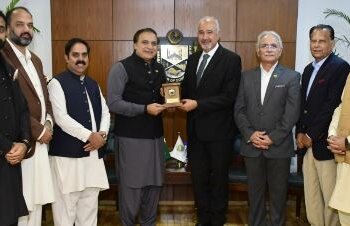
The findings were shared during a roundtable organized by Friedrich Ebert Stiftung at the launch of the report “State, Society and Progressive Taxation in Pakistan,” authored by economist Dr. Sajid Amin Javed.
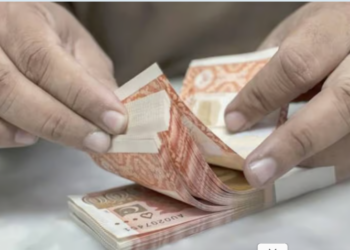
According to the report, tax payments from the salaried class increased sharply to Rs. 391 billion in 2024, up from Rs. 276 billion in 2023, reflecting a 41.66 percent rise within a single year. The study describes this surge not as a temporary spike but as a systemic shift in the country’s tax extraction pattern, where salaried workers are increasingly bearing the burden of revenue collection.
Over the past five years, from 2019 to 2024, taxes paid by salaried employees rose dramatically by 412.6 percent, with total contributions reaching Rs. 1,144.94 billion.
In stark contrast, the report shows that retailers contributed only Rs. 16.54 billion, while wholesalers and distributors paid Rs. 35.23 billion in taxes during the same period. These figures collectively remain far below the tax payments made by salaried individuals alone, highlighting persistent gaps in tax compliance among major business sectors.
Experts warn that the growing reliance on salaried taxpayers could deepen perceptions of inequality in the tax system unless broader documentation and enforcement measures are implemented across under-taxed sectors of the economy.