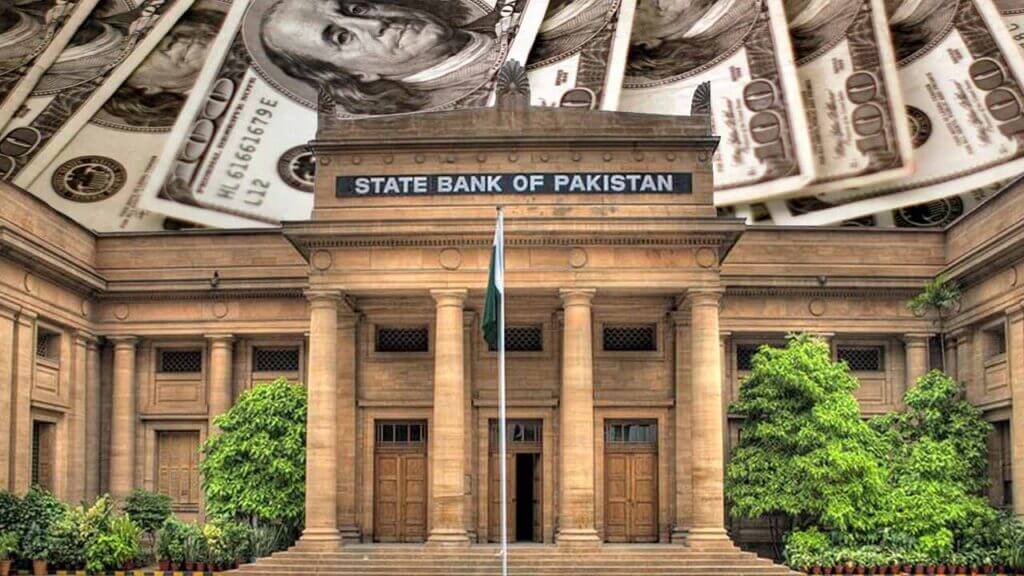
KARACHI: The federal government borrowed more than Rs. 4.9 trillion from commercial banks during the first eleven and a half months of fiscal year 2025-26, highlighting its continued reliance on debt financing despite a significant increase in tax revenues.
According to the latest data released by the State Bank of Pakistan (SBP), government borrowing from commercial banks reached Rs. 4.918 trillion between July 1, 2025 and June 12, 2026. This is substantially higher than the Rs. 3.7 trillion borrowed during the same period of the previous fiscal year.


With nearly three weeks remaining before the close of FY26, analysts expect total government borrowing to exceed the Rs. 5.434 trillion recorded during FY25.
Government Borrowing Reaches Record Levels
SBP data shows that cumulative government borrowing from banks has surged to Rs. 18.86 trillion over the last three fiscal years, from FY24 through June 12, 2026.
The figure is higher than the federal government’s proposed budget outlay of Rs. 17.57 trillion for fiscal year 2026-27, underscoring the growing dependence on domestic financing to meet fiscal requirements.
Rising Debt Burden Increases Fiscal Pressure
The continued borrowing trend has significantly increased debt servicing obligations, which now consume more than half of the federal budget.
For FY27, the government has allocated nearly Rs. 8 trillion for debt servicing and repayments, leaving limited fiscal space for development spending. The Public Sector Development Programme (PSDP) has been allocated approximately Rs. 1 trillion, reflecting the mounting pressure of debt-related expenditures on public finances.
Domestic Debt Climbs Above Rs. 58 Trillion
Pakistan’s domestic debt has also witnessed a sharp increase over the past year. According to SBP figures, domestic debt rose by Rs. 5.566 trillion year-on-year to reach Rs. 58.089 trillion in April 2026.
Since June 2025 alone, domestic debt has increased by nearly Rs. 3.6 trillion, highlighting the government’s growing financing needs.
Economists Call for Spending Reforms
Economic experts argue that rising government expenditures and the absence of comprehensive fiscal reforms are driving the need for increased borrowing, despite improvements in tax collection.
They contend that policymakers remain focused on generating additional revenue through new taxes and enforcement measures while making limited progress in reducing wasteful spending and improving public sector efficiency.
Analysts warn that without meaningful expenditure controls and structural reforms, Pakistan’s debt burden could continue to grow, further limiting resources available for economic development and public welfare initiatives.