KARACHI: Pakistan Customs’ Directorate General of Intellectual Property Rights Enforcement (IPRE) registered 201 Intellectual Property Rights (IPR) forfeiture and seizure cases during FY 2025-26, up from 162 cases in the preceding year.
This marks a 24% increase in enforcement actions, according to the Directorate General’s annual performance statistics.


The seized and forfeited goods, estimated at Rs 7.7 billion, comprised a wide range of counterfeit products including luxury items, textiles, automobile parts, cosmetics, footwear, consumer durables, and other trademark-infringing merchandise.
The enforcement drive reflects Pakistan Customs’ resolve to protect consumers, safeguard legitimate businesses, and curb illicit trade through effective border controls.
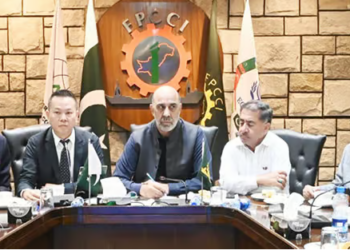
Alongside enforcement operations, the Directorate General IPRE organised 30 awareness sessions, workshops, and seminars across the country during the year, bringing together Customs officers, chambers of commerce and industry, importers, exporters, traders, customs clearing agents, rights holders, and other stakeholders to build understanding of intellectual property rights, border enforcement mechanisms, and the importance of protecting legitimate trade and investment.
Director General IPRE (Customs) Abdul Qadir Memon said Pakistan Customs remained committed to further enhancing its enforcement capabilities through continuous capacity building, adoption of modern risk management techniques, technological innovation, and closer collaboration with national and international stakeholders.
He said Pakistan Customs would continue strengthening border enforcement measures to effectively prevent the import, export, and transit of counterfeit and pirated goods, thereby protecting consumers, supporting legitimate businesses, and fostering a fair and competitive trading environment in the country.
The Directorate General IPRE said it remained committed to ensuring effective enforcement of intellectual property rights at Pakistan’s borders in line with national laws and international best practices, contributing to the country’s economic development and facilitation of legitimate trade.