Customs Today
  • Home
  • Islamabad
  • Karachi
  • Lahore
  • National
  • Transfers and Postings
  • Chambers & Associations
  • Business
No Result
View All Result
Customs Today
  • Home
  • Islamabad
  • Karachi
  • Lahore
  • National
  • Transfers and Postings
  • Chambers & Associations
  • Business
No Result
View All Result
Customs Today
No Result
View All Result
Home Business

Rs222b circular debt, lack of coordination among govt dept behind petrol crisis

byCustoms Today Report
26/01/2015
in Business
Share on FacebookShare on Twitter

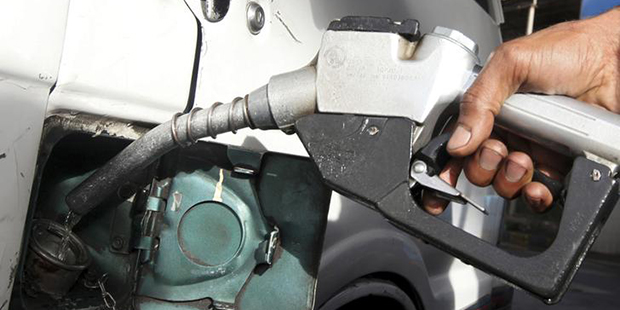
LAHORE: The Institute for Policy Reforms has reported that the petrol crisis happened due to lack of coordination among a lot of ministries, departments and agencies performing different functions within the sector.

As per the report, Pakistan State Oil (PSO), the major importer of petroleum products, imports 66% of petrol while other oil marketing companies (OMCs) import 34% oil. It said that the PSO had serious financial problems because of non-payment for purchases of furnace oil largely by the power distribution companies (DISCOs) including GENCOs, HUBCO and KEPCO. The PSO’s circular debt risen to Rs222 billion by September 2014 and in December, a number of L/Cs of PSO had been dishonoured, the report said, adding that this had greatly restricted PSO’s ability to import all petroleum products.


You might also like

Business leaders seek greater relief for salaried class in budget 2026-27

13/06/2026

Canadian delegation visits UAF

12/06/2026

Moreover, there had been some depletion in inventories of petrol with OMCs. These companies had carried inventories below the level of three weeks in order to minimise potential inventory losses of up to Rs7 billion at a time of falling prices, the report said.

The decline in supply of petrol had occurred at a time of a big increase in demand due to a number of factors. By the beginning of January, with the cumulative fall in price of 28%, demand increased in the range of 6% to 8%. Also the government announced the closure of CNG stations from mid-November for four months in Punjab.

This led to diversion of demand towards petrol. A first estimate was that the consequential increase in demand nationally for petrol was over 10%. Overall, the combined effect on demand of the fall in price and reduction in supply of CNG was 16%, the report claimed.

Therefore, with declining supply in the presence of a big increase in demand, it was inevitable that, sooner or later, a shortage would take place.


Related Stories

Business leaders seek greater relief for salaried class in budget 2026-27

byCT Report
13/06/2026

ISLAMABAD: Leading business representatives have expressed mixed reactions to the federal budget, arguing that the salaried class deserved greater relief...

Canadian delegation visits UAF

byCT Report
12/06/2026

FAISALABAD: A three-member delegation from the Canadian High Commission, Islamabad, visited University of Agriculture Faisalabad (UAF) to discuss the area...

Pakistan eyes $25m annual buffalo genetics exports to China

byCT Report
11/06/2026

ISLAMABAD: Pakistan has signed a Material Transfer Agreement (MTA) with China's Royal Group to export buffalo genetic material, opening a...

FILE PHOTO: The Habib Bank Limited (HBL) logo is seen on the head office building in Karachi, Pakistan, April 18, 2016. REUTERS/Akhtar Soomro/File Photo

HBL announces 3-day service shutdown following Meezan & Allied Bank

byCT Report
10/06/2026

KARACHI: Habib Bank Limited (HBL) has officially announced a temporary closure of all its services. Consequently, the massive shutdown will...

Next Post

Jelly fish able to sensing ocean currents

  • Terms and Conditions
  • Disclaimer

© 2011 Customs Today -World's first newspaper on customs. Customs Today.

No Result
View All Result
  • Transfers and Postings
  • Latest News
  • Karachi
  • Islamabad
  • Lahore
  • National
  • Chambers & Associations
  • Business
  • About Us

© 2011 Customs Today -World's first newspaper on customs. Customs Today.