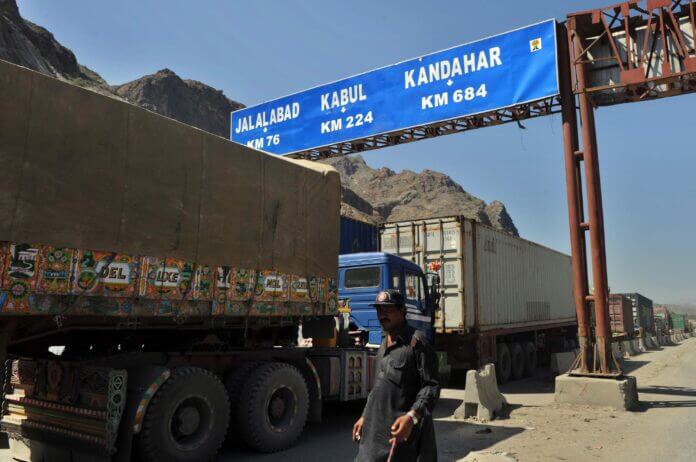
PESHAWAR: Pakistan’s poultry sector is facing a prolonged supply glut and mounting financial losses as exports to Afghanistan have remained suspended since October last year following the closure of the border.
Around 20% of Pakistan’s poultry production was previously exported to Afghanistan. With that market remaining closed, producers have been left with surplus supply that domestic demand has been unable to absorb.


Industry representatives said the border closure was a major factor behind the decline in poultry prices, while high diesel prices and rising transportation costs had added to the pressure on farmers and producers.
Supplies to Kashmir and Balochistan have also been disrupted, further complicating the distribution of poultry products, while domestic demand remains insufficient to absorb the additional production.
The production cost of chicken is currently around Rs290 per kilogram, while producers are selling it for approximately Rs250 per kilogram, resulting in a loss of around Rs40 per kilogram.
The situation is even more difficult in the chick market. A chick costing around Rs70 is being sold for as little as Rs5, causing a loss of approximately Rs65 per chick. Producers are also paying around Rs10 per chick in Federal Excise Duty (FED), despite operating at a loss.
Industry representatives said the sector currently has around 20% surplus supply and called for the resumption of poultry exports to Afghanistan to help absorb excess production and provide relief to farmers.
They described the ongoing situation as the most severe poultry crisis in the country’s history, saying its impact was worse than the bird flu crisis nearly two decades ago.
Meanwhile, the Sindh-Balochistan Broiler Farmers Alliance held a consultative meeting to discuss the crisis and its impact on poultry farmers.
Participants reviewed chicken prices, the existing rate mechanism, chick supply, prevailing market conditions and the financial losses being suffered by farmers.
The participants agreed that poultry prices should be determined through a transparent mechanism based on production costs, available data and actual market conditions.
The alliance decided to develop a data-based alternative rate mechanism aimed at better reflecting farmers’ production costs and protecting their economic interests.