ISLAMABAD – Having slapped roughly Rs 50 billion new taxes through three ‘mini-budgets’, the government has decided to partially reverse its earlier decision to bring retailers into the tax net, even as it continues to increase tax rates on sectors already heavily taxed.
The ‘mini-budgets’ will affect all households, irrespective of income levels, because they are levied on essential items like fuel. The taxes were imposed without Parliament’s consent and are aimed at achieving the already lowered revenue collection target of Rs 2,691 billion.
You might also like
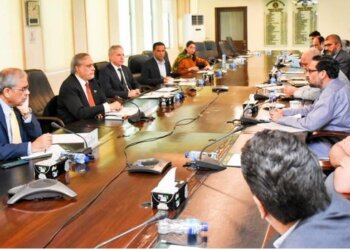
The decision was taken after a meeting between the finance minister and representatives of retail and wholesale traders. In June 2014, Finance Minister Ishaq Dar had announced that the government would be levying the standard 17% sales tax rate from what were defined as ‘first tier’ retailers and 5% to 7.5% from ‘second tier’ retailers. The first tier was defined as retailers meeting any one of the following four conditions: a store that is part of a national or international retail chain, operates in an air-conditioned shopping mall, has an electricity bill of more than Rs 50,000 a month, or has the ability to accept credit and debit card payments.
According to the report, the Finance Ministry appears to have removed this last condition. From now on, retailers who can accept credit and debit card payments, but do not meet any of the other criteria, will not be subject to the 17% tax rate. Government officials said the remaining three conditions would stay in place, according to the report.