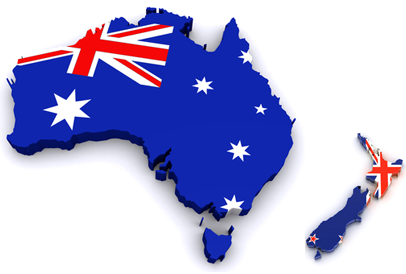
Australia is refocusing its foreign aid programmes in a move to win hearts and minds in the island nations of the Pacific, as an increasingly assertive China flexes its muscles in the region.
The government said the reorientation of its aid priorities, revealed in a budget on Tuesday, reflected “the fundamental importance to Australia of the stability and economic progress of Pacific island countries”.

Canberra and other regional capitals have become increasingly alarmed at China’s push into the Pacific which could potentially upset the strategic balance in the region.
Australia’s Lowy Institute estimates China provided US$1.78 billion in aid, including concessional loans, to Pacific nations between 2006-16.
The Trump effect: China to eclipse US power in Asia by 2030, says Lowy Institute
And reports last month – which were denied – said Beijing wanted to establish a permanent military base in Vanuatu.
The extra A$200 million in aid, which will also go towards a new High Commission in Tuvalu, means the Pacific now represents some 30 per cent of Canberra’s total aid budget, which stood still at A$4.2 billion.
Aid agencies were quick to criticise the freeze in overall aid funding, at just 0.23 per cent of national income despite a significant boost to government revenues from a pickup in commodity prices and employment growth.
“This budget was an opportunity to show leadership and use some of the unexpected revenue to repair past damage to aid,” said Marc Purcell, chief executive of the Australian Council for International Development.
In contrast, neighbour New Zealand this week announced a significant rise to foreign aid, delivering $668 million in extra funding over the next four years, largely directed at the Pacific.