ISLAMABAD: Experts have called on the government to simplify the tax regime by reducing the tax compliance cost with the help of digitisation of tax authority’s processes and enhance the capacity and skills of human resources to help achieve much-needed fiscal sustainability.
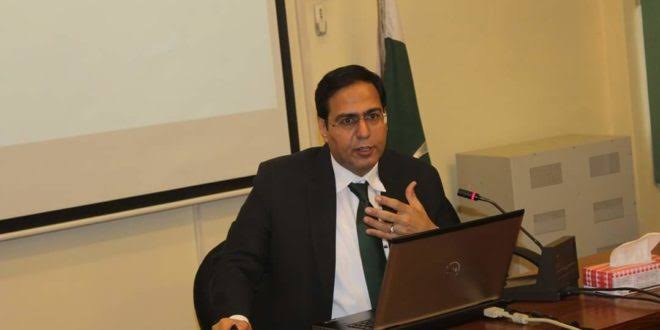
They said this during a policy symposium titled “Agenda for Tax Reforms in Pakistan”, organised by the Sustainable Development Policy Institute (SDPI) in collaboration with Adam Smith International.


Federal Board of Revenue (FBR) Director General International Taxes Dr Muhammad Ashfaq Ahmed said increase in tax revenues still remained a major challenge for the FBR as despite broadening the tax base, there was no significant contribution to the total revenues. “The FBR is working on removing or minimising tax exemptions and concessions to help raise tax revenues,” he said.
Realising the need for making improvement in the tax compliance and return filing mechanism, he called for adopting an advanced and user-friendly information and communication technology (ICT) system as a way forward for the FBR.
SDPI Joint Executive Director Dr Vaqar Ahmed said “we need to critically see how the capacity of federal and provincial tax authorities can be enhanced.”
“Improved capacities are required to formulate a progressive tax policy, expedite administrative reforms, put in place effective digitisation of FBR processes, move to risk-based audit and introduce a single portal for filing tax returns,” he said.
The current understanding of how provinces could move towards tax harmonisation also remained weak as provinces had expressed reservations about the memorandum of understanding shared by the FBR, he added.
Such delays in streamlining federal-provincial communication on tax matters continued to increase the compliance cost for taxpayers and ultimately kept Pakistan at a lower level of global rankings on the ease of doing business, Ahmed said.
He stressed the need for promoting the use of evidence and internal evaluation by the tax authorities, which was currently being performed by outside consultants. Adam Smith International Chief Executive Officer Jonathan Pell said the high cost of compliance hindered the growth of start-up culture and discouraged businesses from paying taxes. He underlined the need for collective response and efforts to overcome the challenges of tax reforms.
While stressing the importance of fiscal sustainability, World Bank’s Lead Public Sector Specialist Clelia Rontoyanni said under the “Pakistan Raises Revenue” project, the World Bank was assisting the FBR in achieving a sustainable increase in the country’s domestic tax revenue.
“The project will assist in simplifying the tax regime and strengthening tax and customs administration,” she said, adding that it would also support the FBR with technology, digital infrastructure and technical skills.
Representing the business community, Islamabad Chamber of Commerce and Industry (ICCI) former president Mohsin Khalid said though there had been much talk about tax reforms, there were around 60 different direct and indirect taxes which the business community was forced to pay.
“The incidence of double taxation at provincial as well as federal levels is an example of poor management on the part of FBR,” he lamented and called for harmonisation and enhancing coordination between tax authorities at the federal and provincial levels.