ISLAMABAD: Pakistani business community urged the Organization of Islamic Cooperation (OIC) to encourage intra-trade among member countries for countering offset looming global threat caused by Covid-19 pandemic on their economies.
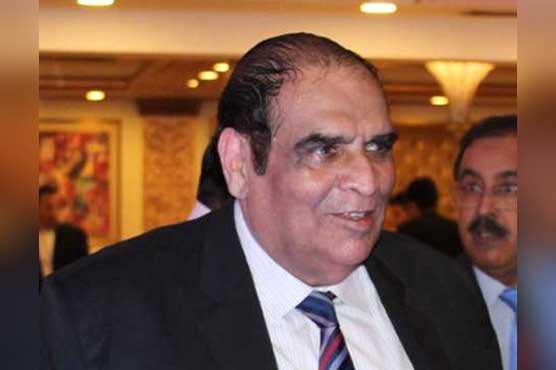
Chairing a round table conference on “Organization of Islamic Cooperation Conference Trade Prospects” organised in Lahore by Meher Kashif Younis, former senior Vice President Lahore Chamber, President SAARC Chamber of Commerce and Industry Iftikhar Ali Malik said OIC was the second largest inter-governmental Orgnisation after United Nations with a large membership of 57 states covering four continents whereas it’s intra trade between 2019-20 registered a decrease of 21.2 percent ranging from US$700.1 billions to US $ 522.8 billion in 2019.


He pointed out that during Covid-19, the world economy had witnessed an unprecedented turbulence that impacted different crucial sectors in which several countries were recovering gradually with slow pace but not at the same level everywhere.
He said whole of OIC was blessed with huge natural resources and minerals deposits but their share in global economy and even within member countries was not upto inherited potentials.
`Iftikhar Ali Malik said trade facilitation activities were of great importance to promote intra-OIC trade and investment.
He said the majority of tariff barriers were related to sanitary and phytosanitary measures, which constituted a burden for exporters.
Non-tariff measures affected more than 50 percent of companies in member states especially technical measures and measures related to procedures.
Speaking on the occasion Meher Kashif Younis, the conference host, opined that for gradually lowering these obstacles, member states and OIC Institutions should focus more on Trade Facilitation activities, i.e. training on rules of origin, product certification, mutual recognition of standards, establishment of commercial single windows, modernization of Customs administrations, sharing of successful experiences ,improvement of the services of Trade and Investment Promotion Organs and organization of intra-OIC trade and investment promotion programs.
He said OIC member states have signed several bilateral, regional and multilateral trade and investment agreements to better regulate trade and investment flows and liberalize international trade transactions with local incentives.
Younis said states applied more restrictive domestic measures to companies than those encountered with commercial partners.
He said indeed the most important measures applied by member states included: import tariffs, financial subsidies, export subsidies, export tariffs, non-tariff import measures, import licensing, safeguard measures, anti-dumping measures, non-tariff export measures, import quotas, local content, financial incentives for FDI, export licensing, internal import taxes, import bans and export quotas.