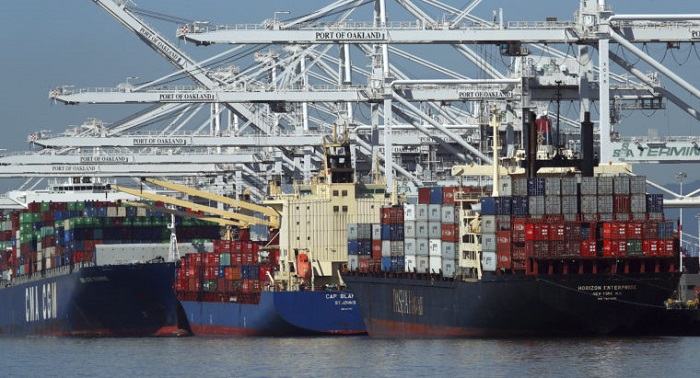
LONDON: Managing the flow of trucks through the terminals at Vancouver and Montreal, Canada’s two largest ports, is a challenge for everyone involved with the process. “The drivers, the ports, the port customers, and the public would all benefit from greater truck efficiency and reduced truck impact,” said Dan Smith, a principal at Philadelphia-based transportation consultant Tioga Group. “Trucking companies and their drivers pursue efficiency but can be frustrated by congestion, delays, detours, and stoppages on port approach routes and port-area roads.”
Few North American ports — Prince Rupert, British Columbia, and Seattle, among them — enjoy an exclusive port road network. That means most ports must share surface streets and highways with their host cities. So sharing “reliable, timely information regarding current or expected traffic conditions can be a useful tool for drayage firms seeking efficiency, and (for) ports seeking to sustain their ‘social license’ to operate in busy and sensitive communities,” Smith said.