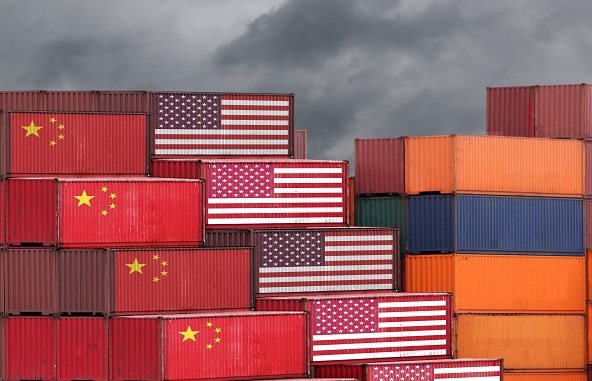
One aspect of the US-China trade war little commented on is the US$179 billion worth of goods that China purchased from the US in 2018. While much of the trade dispute talk has been on the amount that the US has been buying from China (US$557.9 billion) and the size of the trade deficit (US$378.6 billion), the smaller amount – China’s imports from the US – have been somewhat lost in all the noise.
However, China is a major purchaser of American products and services, and the on-going trade war will be having a long-term effect not just on US businesses buying goods in China and selling them back to the US, but also now on American manufacturers selling to the China market. It is a sizable share.


US Exports – Top 5 Largest Markets (2018)
Country/region Value (US$ billion)
EU 318.60
Canada 298.87
Mexico 265
China 179.10
Japan 75
Source: USTR
While China ranks fourth in purchasing goods and services from the US, there is a considerable gap between itself and Japan, which is in fifth place. Of the US product exports to China, aircraft, soybeans, motor vehicles, and microchips make up the bulk of trade. It is, however, exactly these areas that China has targeted in its retaliation against the US for imposing higher tariffs on Chinese goods entering the US market. However, as I pointed out in the article, China Ignores US Trade Threats, in general terms, the US actually only comprises roughly 20 percent of the global supply chain, albeit a larger share in the microchip industry where it still possesses technical advantages. But for nearly all other products and services, China has alternative suppliers. Additionally, China’s consumer base and that of other emerging markets – India, Russia, and Brazil – far outstrip that of the US. This means that it is not in China’s, or much of the global trade volume’s interest, to have too much trade dependency on the US – especially as Washington DC has begun using trade as a sanctions weapon, and increasingly since it first imposed sanctions on Russia back in 2014.
Global supply needs certainty – and Washington DC has essentially damaged the US’ own trade sustainability and credibility by picking fights and resorting to the use of sanctions, increased tariffs and the strength of the US dollar to punish countries it does not see following its wishes.
This means that the US-China trade war has provided not just China, but other nations, such as Russia with an opportunity to cut the US loose from the global supply chain, and especially from consumers in Asia, Eurasia, Africa, and to some extent South America. Yet, these are the growth markets of the coming three to four decades. The implications for US producers currently selling to China is that they will lose this market – permanently. The global supply chain is therefore shifting away from US control and to some extent, participation. But where is it heading?