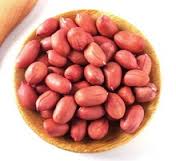


MEXICO: A study was published in the New England Journal of Medicine that suggested that if infants are exposed to peanuts earlier in life, it could save them from allergies in future.
The study showed that just 3.2 percents of infants exposed to peanuts got allergic while 17.2 percent of those who were not exposed to peanuts got allergic during the period of the study.
One of the lead researchers, Gideon Lack, head of the Department of Pediatric Allergy at King’s College London, agreed. “I believe that the findings are robust enough to tell us that if a child is at risk for peanut allergy…that child should immediately, as soon as they develop the first signs, have a skin prick test for the allergy,” he said. “If the test is negative, the child should be encouraged to eat peanuts regularly.”Dr. Rebecca S. Gruchalla, who wrote an editorial for the NEJM about the study.
“We believe that because the results of this trial are so compelling, and the problem of the increasing prevalence of peanut allergy so alarming, new guidelines should be forthcoming very soon,” she writes.
“In the meantime, we suggest that any infant between 4 months and 8 months of age believed to be at risk for peanut allergy should undergo skin-prick testing for peanuts,” she continued. “If the test results are negative, the child should be started on a diet that includes 2 grams of peanut protein three times a week for at least 3 years.”
“Although other studies are urgently needed to address the many questions that remain, especially with respect to other foods, the LEAP study makes it clear that we can do something now to reverse the increasing prevalence of peanut allergy,” Gruchalla said.
“The early introduction of peanuts significantly decreased the frequency of the development of peanut allergy among children at high risk for this allergy,” the study concluded.

Karachi Port sets 138-year cargo handling record
KARACHI: Pakistan's maritime sector has achieved a major milestone as Karachi Port set a new record in its 138-year history...