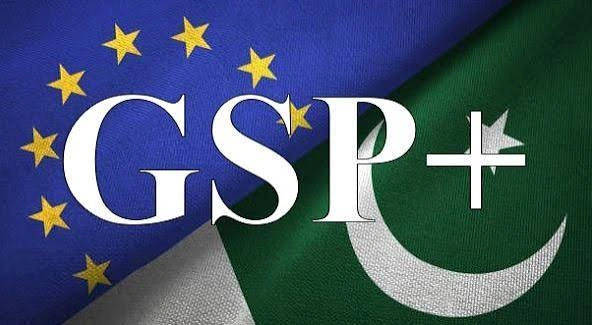
ISLAMABAD: Pakistan will no longer receive an automatic extension of its GSP Plus trade status once the European Union’s new scheme takes effect in January 2027, the Commerce Ministry told the National Assembly Standing Committee on Commerce.
“There will be no automatic extension in the EU’s GSP Plus scheme. The concerned country has to apply for the extension along with an action plan of 32 UN Conventions,” Commerce Secretary Jawad Paul told the committee, chaired by Jawad Hanif.


Paul said the new scheme carries a two-year transition period during which countries must submit action plans for EU evaluation. He noted the EU’s assessment report on Pakistan contained both positive and negative findings, with human rights conditions among the concerns raised.
Paul said the EU report also flagged security and climate-related issues, which the bloc typically raises in such assessments, and asked committee members to help clarify Pakistan’s position when engaging EU parliamentarians.
He said the EU report acknowledged that Pakistan’s security situation, economic challenges and flood-related climate impacts have limited the country’s implementation capacity. “Our viewpoint is that since the EU understands what type of security condition Pakistan is living in, there are certain actions which the State needs to take to overcome that situation,” Paul said, adding that Pakistan must take fundamental steps on its own since Pakistanis do not live in Europe.
Committee member Asad Alam Khan Niazi asked whether the government would require exporters to guarantee a specified export increase in exchange for incentives.
The chairman clarified that no direct incentives are being offered; instead, duties and taxes are being lowered to improve competitiveness, describing the current situation as a result of over-taxation. “Lowering taxes is a good step which will increase exports,” he said.
Ministry officials briefed the committee on a new policy that reduces protection while cutting duties and taxes across sectors to boost competitiveness. Tariffs were lowered on 2,000 tariff lines last year to reduce the cost of raw materials.