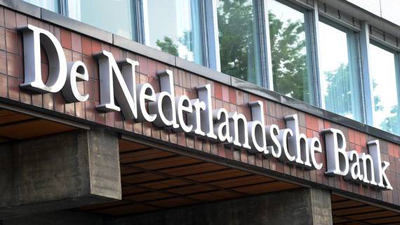
AMSTERDAM: The Dutch central bank warned that Europe’s long period of low interest rates is threatening the solvency of insurers, which it said will have to cut costs and restrict dividends to protect capital.
In its most strongly-worded review of the Dutch insurance sector yet, De Nederlandsche Bank highlighted the risk to the financial sector as a whole.


The warning came despite a strengthening Dutch economy, with Gross Domestic Product growth forecast at 1.7 percent this year and 1.8 percent in 2016.
The DNB said that although banks and pension funds are also affected by low rates, the impact “on life insurers may ultimately jeopardize financial stability, as (insurers) have limited recovery options and considerable interdependencies with other financial institutions.”
The bank said that low interest rates are a problem for insurers across Europe, and current rates are below the levels used in stress tests carried out last year.
Dutch players face some additional difficulties, it said. Its report did not name specific insurers.
The Dutch public’s trust in insurers is particularly low after many sellers of life insurance-linked products were forced to offer settlements when consumers were found to have been charged exorbitant fees.
The bank noted that, for purposes of calculating solvency, insurers and pension funds are allowed to assume future interest rates will be more than a full percentage point higher than current interest swap rates suggest. If rates remain persistently low, solvency will eventually be threatened.
De Nederlandsche Bank expects Dutch financial institutions to prepare their business models for the future, if only in response to low interest rates, and it is monitoring their progress,” the report said.
The central bank said that in addition to cost-cutting at individual insurers, it expects “consolidation” among the remaining Dutch insurers, which include Delta Lloyd, NN Group and Aegon.