ISLAMABAD: Representatives of Pakistan’s electric fan industry on Monday called for policy measures to curb the export of raw materials in unprocessed form, saying such steps were needed to support domestic value addition, improve export quality and promote energy-efficient fans.
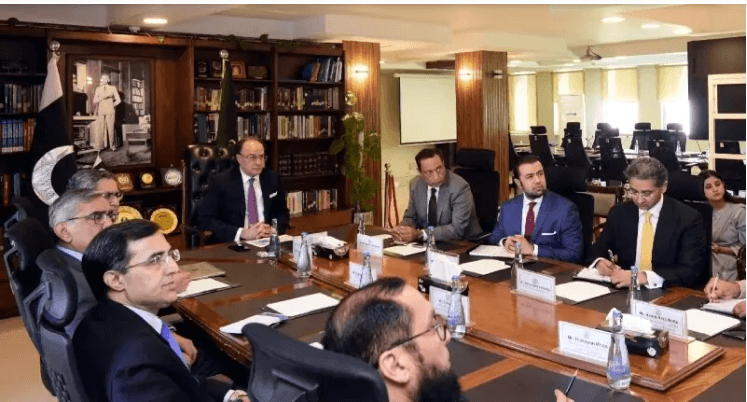
The issues were raised during a virtual meeting with Finance Minister Muhammad Aurangzeb by a delegation led by members of the Federation of Pakistan Chambers of Commerce and Industry (FPCCI) and the Pakistan Electric Fan Manufacturers Association (PEFMA).
According to an official statement issued by the finance ministry, the meeting focused on the sector’s challenges, export prospects and areas where policy backing could help the industry expand.
Industry profile and export potential
The delegation briefed the minister on the structure and economic importance of the fan manufacturing sector, describing it as a fully indigenous industry with around 300 manufacturers mainly based in Gujrat and Gujranwala.
The ministry’s statement said, “The industry contributes significantly to employment, with approximately 40,000 direct and over 150,000 indirect jobs, and maintains a strong value addition profile. Members also shared insights into the sector’s export footprint, particularly in the Middle East and Africa, while noting recent trends in export performance.”
The discussion also covered opportunities to widen market access and improve the competitiveness of the electrical appliances sector through targeted policy support and innovation.
Shift to DC fan technology
A key part of the meeting centred on the industry’s move towards energy-efficient DC fan technology. Representatives told the minister the sector had the capacity and readiness to support the large-scale replacement of conventional fans, a shift that could help lower electricity consumption.
In response, Aurangzeb said the policy framework already existed, but stronger public awareness and better coordination with financial institutions would be needed to generate momentum. The finance ministry said he stressed the need to remove implementation bottlenecks to speed up adoption.
Access to finance for expanding production capacity also came under discussion, particularly in relation to meeting possible demand arising from energy-efficiency programmes. The minister said facilitating investment in productive capacity was important and noted that existing financing arrangements would be reviewed to better match the sector’s needs, according to the statement.
Raw materials and business environment
Industry representatives also highlighted structural and policy issues linked to the availability and use of key raw materials, especially copper and aluminium.
The official statement said, “It was noted that increased exports of these inputs in raw form have had implications for domestic value-added manufacturing, and the need for a balanced approach that promotes higher value addition within the country was emphasised.”
The meeting further examined liquidity issues facing small and medium-sized enterprises, including tax refund processing, export facilitation arrangements and tariff structures on industrial inputs.
According to the ministry, Aurangzeb said ongoing reforms were intended to rationalise input costs and improve the overall business climate, while asking the industry to provide specific details for further review.
He noted that while taxation remains an important element, access to finance, energy efficiency, and market development are equally critical to strengthening industrial performance.
The finance minister also said sustainable export growth depended on competitiveness, scale and consistency in policy. He encouraged continued engagement between the industry and relevant government stakeholders to help shape practical and forward-looking proposals.
At the conclusion of the meeting, Aurangzeb reaffirmed the government’s support for value-added manufacturing and export-oriented sectors, and said continued dialogue with industry stakeholders would remain central to policy formulation and economic planning.