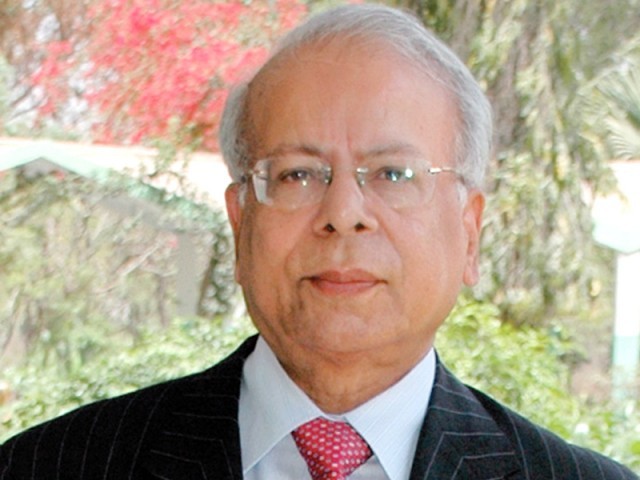
LAHORE: State Bank of Pakistan (SBP) former governor Dr Ishrat Hussuain, addressing the members of Lahore Economic Journalists Association, has said that the central government is suffering shortage of funds as it has 40 per cent share against provinces’ 60 per cent and it has to pay huge amount for debt servicing, defence and subsidies, besides covering the losses of public sector companies.
He said that the provinces have higher share in resources than the federal government being in the ratio of 60:40 but they are not exploiting their revenue generation potential after getting lion’s share from federal divisible pool from federal government.
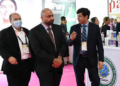
Pointing out structural problems in economy, Dr Ishrat said, “Our saving and investment rates are very low. With saving rate of 14 per cent of GDP and investment rate of 13 percent of GDP as in Pakistan no country has ever sustained a higher growth rate. Saving rates in India and Bangladesh are 35 and 30 per cent respectively.”
The 60 million middle class of Pakistan should go for saving instead of living beyond their means. Savings come from affluent middle class and not from the poor that barely survive on their incomes, he said. He said our main political parties are on same page as far as their manifestos are concerned but it is unfortunate the parties in opposition oppose those policies that they had implemented themselves during their tenure. “This creates uncertainty as businessmen invest when they have confidence on the consistency of the policies” he said. Investment is a long term phenomena and they cannot risk their money when changes occur after every election.
He said provinces have now surpluses even after financing the development program. These resources should be used by the provinces for education, health and social welfare services. The opportunities for new taxes also exist in provinces. The property tax rates in Karachi for instance were evaluated in 1990s and property tax is collected on that evaluation, he revealed. He said at current property rates the tax could multiply many times and fulfil the entire development and social sector needs of the mega city. This is true for all other urban centres of Pakistan.
Dr Hussain said informal economy is another problem as against 17 percent sales tax and corporate tax paid by documented sector the informal sector pays no taxes. “We are increasing the burden of taxes on the compliant sectors without making efforts to bring informal sector into tax net” he deplored. He said the solution lies in the documented evidence available with FBR that states that there should be 3.2 million taxpayers in Pakistan instead of current 1 million.
Former SBP governor said that tax laws are so cumbersome that give rise to discretion providing opportunity for corruption. “In current technological era everything should be computerized,” he said, adding that the technology should facilitate the taxpayer to know its liabilities in cases pending for years. There is a need of administrative policy reforms in the tax regime.