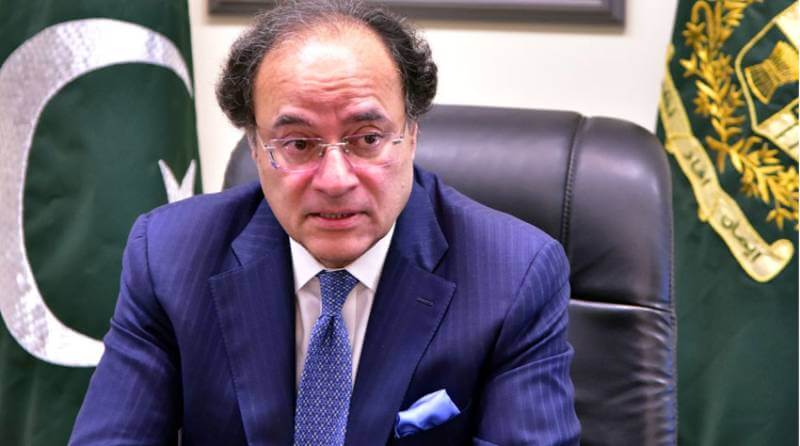
ISLAMABAD: Finance Minister Muhammad Aurangzeb said Pakistan had achieved macroeconomic stability through difficult measures and the government was working to maintain and strengthen that position, adding that authorities were also engaging with friendly countries to manage potential external pressures.
Speaking at the Senate Standing Committee on Finance meeting, the minister said the International Monetary Fund has commended Pakistan’s recent macroeconomic performance and agreed to hold further discussions on the economic impact of the ongoing Middle East conflict.

The finance minister said the IMF review mission had acknowledged Pakistan’s economic measures up to February and would examine the implications of a prolonged regional conflict on key economic indicators.
He said the discussions would focus on inflation, revenue collection, the current account balance, and external financing requirements in light of developments in the Gulf region. Trends in remittances and the balance of payments would also be reviewed.
Aurangzeb said the government was closely monitoring developments in global energy markets, noting that LNG supply had been disrupted after Qatar declared force majeure. The price of an LNG cargo that previously cost around $25 million had risen to more than $100 million, he added.
According to the minister, the government was reviewing the energy situation on a daily basis under the direction of the prime minister and through the Cabinet Committee on Petroleum Pricing.
During the meeting, members of the committee also raised concerns about regulations governing Politically Exposed Persons, saying the rules were leading to increased scrutiny of parliamentarians and their families when opening bank accounts.
The finance minister said Pakistan must comply with international financial regulations, warning that failure to do so could risk the country returning to the grey list of the Financial Action Task Force.
The committee also reviewed contingency planning measures being prepared by the government to maintain energy supplies and economic stability amid the regional conflict.