When a small Gulf nation like Qatar is blockaded by four of its powerful neighbours for two consecutive years by land, sea and air, one would expect a crisis of unparalleled proportions.
The blockade began on June 5, 2017, when Saudi Arabia, the United Arab Emirates, Egypt, and Bahrain accused Qatar of sponsoring terrorism.
It was Qatar’s independent foreign policy, which led to it supporting popular demands for democratic change in the Arab world, that was perceived by its neighbours as a real threat.
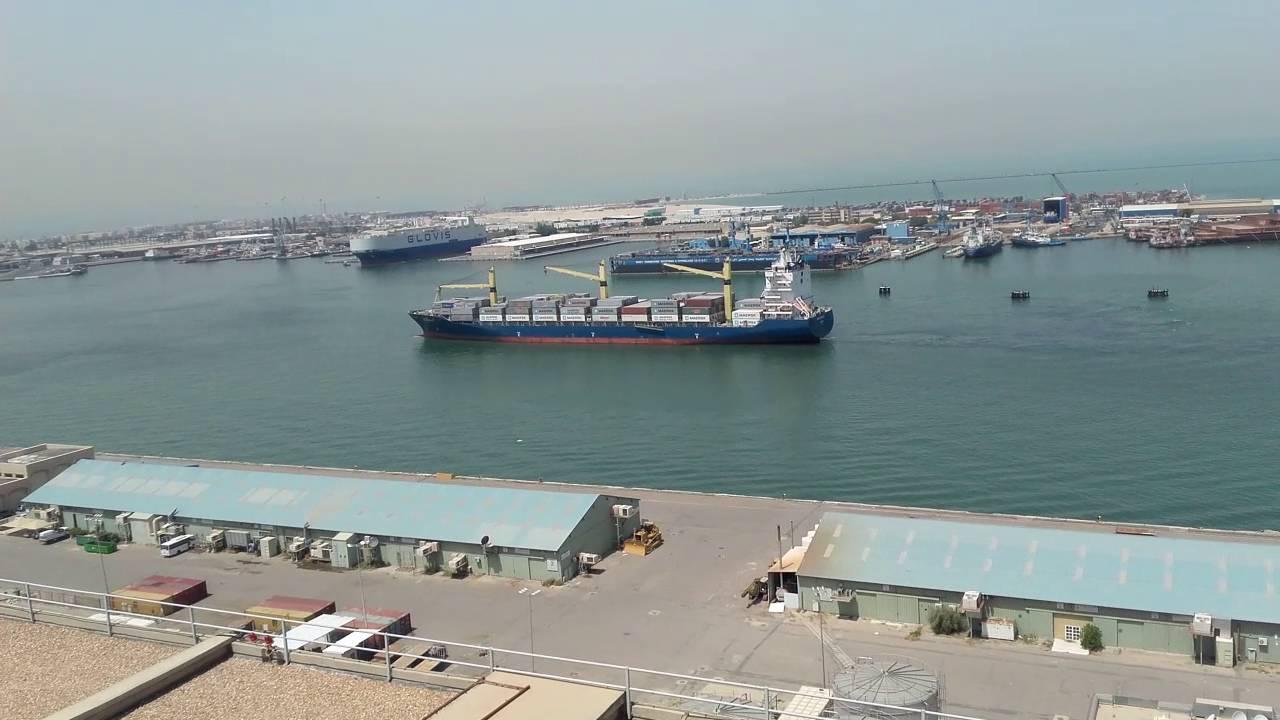
But instead of economic catastrophe, Qatar has forged ahead in everything from innovation, business development, and trade, leaving many of its detractors in the dust.
What the blockade has achieved is the safeguarding of Qatar’s sovereignty and independence, and its business excellence is being recognised worldwide.
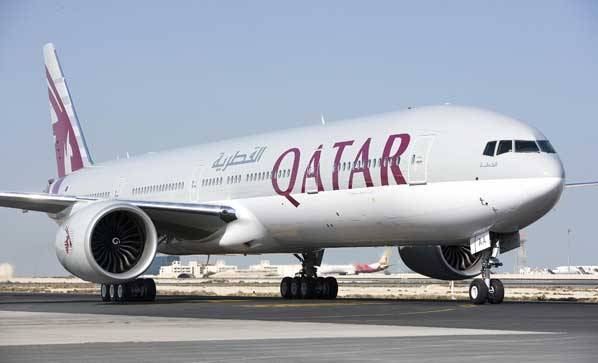
The UAE probably wanted the blockade to deal a decisive blow against its foremost airline competitor, Qatar Airways.
The airline had begun to present a significant challenge to the Dubai-based Emirates and the Abu Dhabi-based Etihad.
Before the blockade, Qatar Airways was outdoing both Emirates and Etihad Airways, with Etihad reporting losses of $2 billion in 2016 and $1.9bn in 2017.
Qatar Airways, on the other hand, was reporting annual growth of 20%, and in 2016 had brokered a deal for 100 new aircraft from Boeing to the tune of $18bn.
It was becoming increasingly evident that it was too tough to effectively compete against Qatar Airways’s business model.
The disconcerting aspect was the ferocity of the blockade which has been unrelenting and stubbornly enforced despite the fact that it has also ended up hurting the blockading countries economically.
But if the blockade had sought to weaken Qatar Airways, the plan backfired as the airline moved from strength to strength despite the fact that it lost about 100 flights daily to 18 destinations in the four blockading countries.
But it has surged ahead, opening new routes to Izmir and Rabat, and this year to Malta, Davao, Lisbon, Mogadishu and Langkawi.
If the success of Qatar’s national carrier was in any doubt, it won the World’s Best Business Class last year, was awarded the best Business Class seat, the best first-class airport lounge, and has won best airline in the Middle East.
As is the case in many instances, economic blockade has only served to make the nation stronger and more self-reliant.
Last year, Qatar Airways reported a record 21.7% net profit increase.
By contrast, in the first quarter of the 2018/19 year, Emirates profits dropped 86%. Etihad continues to struggle to compete with Qatar Airways and half a year ago, was forced to lay off 50 pilots, cancel the purchase of 10 airbuses and cut its routes.
Sabotage has rarely succeeded in bringing down nations or enterprises determined to succeed.
Qatar Airways has also succeeded in striking a deal with the EU, becoming the first country in the Gulf to sign a Comprehensive Air Transport Agreement with the EU.
It is also the first airline in the Middle East and only the fifth in the world to secure accreditation to the International Air Transport Association Environmental Assessment Programme.
Qatar has developed a new economic corridor referred to as the New Emerging Belt Initiative, which includes Turkey, India, Pakistan, Kuwait and Oman. Together their combined economies total $2.1 trillion (R31.7 trillion).
The new corridor enables Qatar to diversify its income and supply chain, and create new alliances.
Qatar has been working with Turkey and Iran, and even Iran has profited immensely from the blockade as it gains revenue from the diverted flights that pass through its airspace.