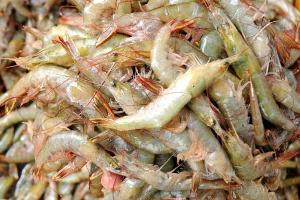
NEW DELHI: While Kerala has lost ground in the export of marine products, spices, coir and other traditional items, new areas are slowly emerging as its strong points.
Export figures show that processed foods hold high potential for Kerala, followed by ayurvedic products and jewellery. Export promotion agency officials say policymakers should grab this opportunity and take steps to accelerate the momentum in order to make up for the shortfall in earnings from the traditional sectors.
You might also like

Processed food items have been on a roll for some years now. Kerala exported processed food products valued at $ 238.5 million in the 2014-15 financial year, which was around 12 per cent higher than the previous years’ $ 213 million, indicating a robust growth.
Gulf Cooperation Council (GCC) countries have been the largest importer of Kerala’s processed food and agro products. Among the GCC countries, United Arab Emirates was the leading buyer.
The large presence of non-resident Keralites (NRK) in the GCC and the relatively liberal quality standards there were some of the major reasons for the Arab world’s appetite for Kerala’s processed foods. Dubai re-exported nearly two-thirds of the food products imported from Kerala to other GCC countries as well as to African countries.
Officials say that if Kerala exporters scale up, they can straightaway send their ware to the GCC and African countries skipping the stopover in Dubai. China is also a fast growing market for processed foods. There is a huge potential market for processed food products out there waiting to be tapped by Kerala.
The market for Kerala’s ayurveda products has been growing abroad, especially in Russia and Germany as well as in some Asian countries. Rejuvenation products are high in demand in the GCC and in India’s neighbourhood.
Last year, of the $ 1250 million Ayurveda exports from India, $ 225 million worth of goods came from Kerala. Since India’s share in global herbal market is just 0.2 per cent, Kerala has very huge potential in this area.