Dubai : The United Arab Emirates, which has a history of talking tough on Iran while still buying its oil, appears to be taking steps to comply with looming U.S. sanctions against the Islamic Republic’s energy industry.
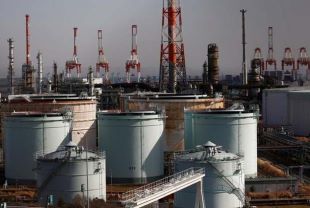
Dubai is the U.A.E.’s main importer of Iranian oil. The country’s biggest city buys a light oil called condensate that’s produced in Iran’s natural gas fields and refines it into jet fuel and other products for local use. The U.A.E. port of Fujairah, the Middle East’s biggest oil-trading hub, provides storage for Iranian fuel oil that supplies vessels plying the Indian Ocean.


Both export streams may be at risk for Iran when U.S. sanctions take effect on Nov. 4. Condensate shipments to Dubai’s government-owned refiner Emirates National Oil Co. already dropped by half in September, according to Bloomberg tanker-tracking data. U.A.E. customs officials have started to require oil tankers docking at Fujairah’s fuel terminal to provide a certificate attesting to the origin of their cargoes, according to people with knowledge of the matter who asked not to be identified because the information is confidential.
“The U.A.E. could be looking to tightly police the cargoes entering and leaving its port, ahead of the deadline for U.S. sanctions on Iran,” said Den Syahril, a senior analyst at industry consultant FGE in Singapore.
Alternative Supplies
Iran’s exports have slumped since May as customers including South Korea and France halted imports. India will stop buying Iranian crude in November, people with knowledge of its imports said last week. Oil is at the highest level in almost four years amid concerns about possible supply shortages due to the sanctions on Iran and production disruptions in other Organization of Petroleum Exporting Countries members such as Venezuela.
The U.A.E. is committed to abiding by the sanctions and will look for condensate supplies from countries other than Iran, Energy Minister Suhail Al Mazrouei said on Tuesday. “The alternatives are available in the market,” he said, without specifying.
The U.A.E. is a U.S. ally and has welcomed a tougher stance against Iran. Together with Saudi Arabia, the U.A.E. is waging a proxy war with the Islamic Republic in Yemen.
When it comes to oil and gas imports from Iran, however, the U.A.E. has a track record of prioritizing domestic energy needs over regional rivalries. The last time the U.S. targeted Iran’s oil industry, under former President Barack Obama, Dubai reduced but didn’t eliminate its condensate purchases. More than a year after cutting ties with Qatar for its alleged cozy relations with Iran, the U.A.E. continues to buy Qatari gas to keep its lights on.
ENOC, the Dubai refiner, operates a 140,000 barrel-a-day plant that bought enough condensate from Iran to meet its needs during the first half of the year. That trade, while diminished, appears to be continuing, according to tanker tracking.
The oil tanker Falcon Pride departed Assaluyeh in Iran for the U.A.E. on Oct. 1, the data show. The vessel is loaded with a cargo and moored at Dubai’s Jebel Ali port, according to the data. ENOC declined to comment on what it will do once U.S. sanctions take effect.
Iranian oil vessels aren’t currently banned from Fujairah, and the reason why the customs department is demanding certificates of cargo origin isn’t known. Even so, tighter controls could deter traders seeking to store Iranian oil before sanctions kick in.
If the U.A.E. does restrict access to Fujairah, Iran — one the region’s biggest exporters of fuel oil — will lose a major market. Most large trading houses stopped dealing in fuel oil from Iran after Washington announced sanctions in May, due to difficulties in securing payments, according to people familiar with the trade, who asked not to be identified because the information is confidential.
How energetically the U.A.E. cracks down, Den said, “depends on the U.S. and whether it emphasizes strict adherence to sanctions.