KARACHI: Chief of Sector & Enterprise Competitiveness, International Trade Center (ITC) Robert Skidmore has said that in order to ensure sustainable economic development, it was really essential to support and work closely with Small and Medium Enterprises (SMEs) as it was these SMEs which cover 70 percent of global economy, create jobs and help solve the governments’ problems.
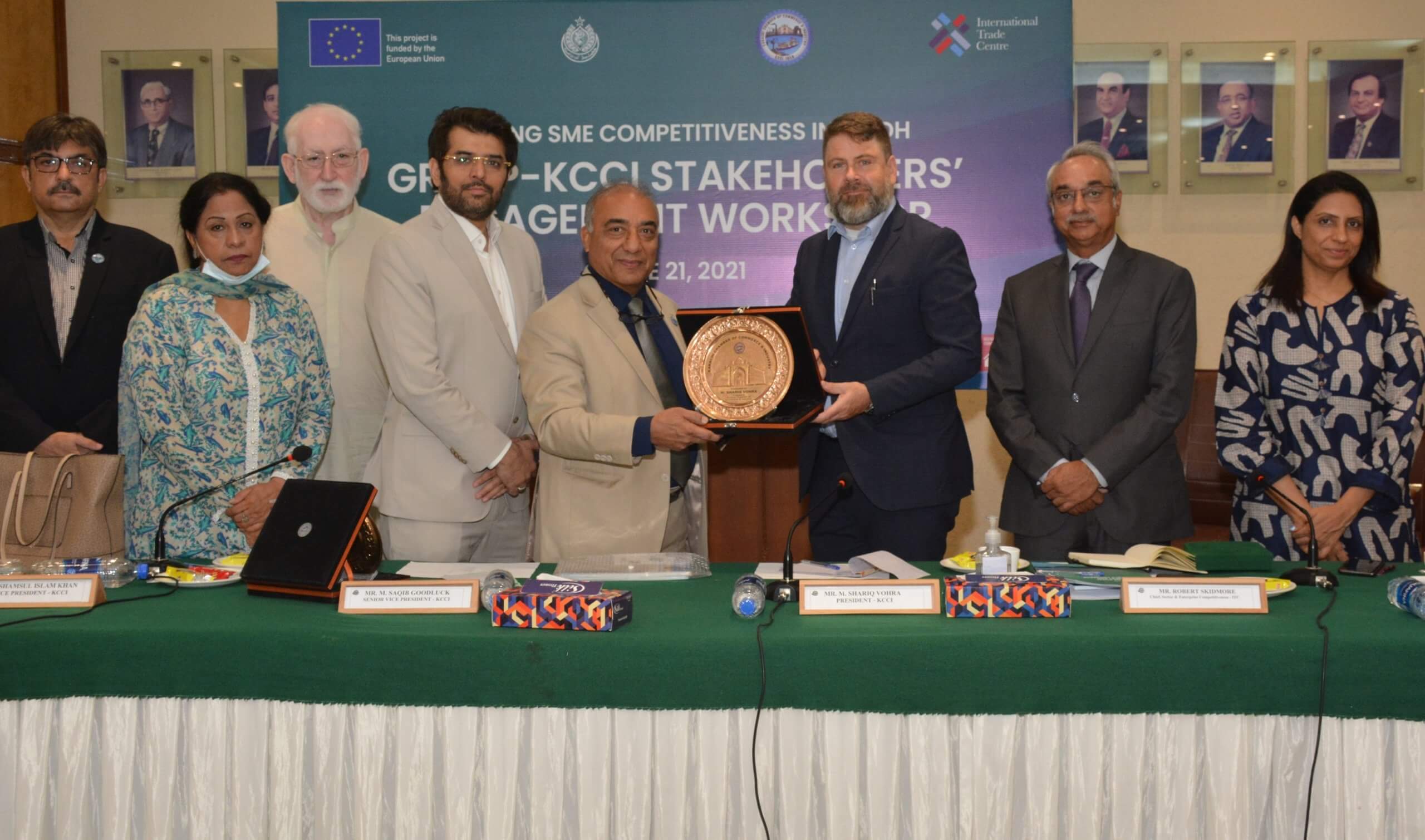
Speaking at GRASP-KCCI Stakeholders’ Engagement Workshop organized at the Karachi Chamber of Commerce & Industry (KCCI), he said that ITC’s Growth for Rural Advancement and Sustainable Program (GRASP), funded by the European Union, has been designed to strengthen SMEs associated with livestock, diary and horticulture in Sindh and Baluchistan by focusing on Financing, HR, Environment, Quality, Packaging and all those things fundamental to SMEs.
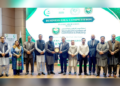

President KCCI M. Shariq Vohra, Senior Vice President KCCI Saqib Goodluck, Project Coordinator GRASP – ITC Azhar Ali Choudhry, Project Lead GRASP – ITC Shabnam Baloch and KCCI Managing Committee members attended the workshop.
ITC’s Chief informed that GRASP focuses on what markets, buyers and consumers want. It then equips producers and SMEs with skills, technology and services needed. GRASP provides producers with targeted services, such as access to market information, credit and training. It also supports companies in processing commodities into value-added goods, adopting better technology and building efficient and inclusive supply chains.
He stated that ITC’s job was to work closely with Small & Medium Enterprises throughout the world and every year, ITC works with around 25,000 to 30,000 small companies around the world. “We measure our success based on your success. We are here at KCCI to listen to and understand the problems faced by SMEs so that we can help. We work closely with organizations like KCCI to improve the environment around SMEs and to give them support”, ITC’s Chief said, “We try to open up markets and create opportunities for companies by linking them with buyers and by helping them adapt products and services.”
“We work in three areas including compete, connect and change. Our job is to make small companies become resilient so that they are ready to compete even during the crisis triggered either by pandemics like COVID-19 or any environmental change”, he added.
Earlier, President KCCI Shariq Vohra, in his remarks, appreciated all the efforts being made by the ITC through its GRASP Project in Sindh and Baluchistan where a large number of SMEs exist who requires such assistance.
He was of the opinion that the contribution of SMEs in the economic development has been great but these SMEs face a number of challenges, of which the most important one is that majority of the SMEs in Sindh and also the rest of Pakistan are undocumented. “This keeps the SMEs away from access to finance by banks whose 70 percent financing is usually given to government whereas the remaining 30 percent is taken away by big corporations while the SMEs remain deprived mainly because of being undocumented. It is a very important area where ITC’s GRASP project must particularly focus”, he added.
He pointed out that there was a time when a few dedicated Development Finance Institutions (DFIs) were operational which provided loans to the agricultural sector and SMEs but they disappeared with the passage of time which was another key reason for limited or no financing facility for the SME sector.
He said that a paradigm shift was being witnessed in Pakistan as many urban businesses have now started investing in the livestock and agricultural sector as well, making it easier for ITC and other agencies to approach such businesses from platforms like KCCI as they already hold Chamber’s membership.
Shariq Vohra also extended full support and cooperation to ITC for making its GRASP Project successful which would help in poverty alleviation and prove prosperous for Pakistan’s economy.