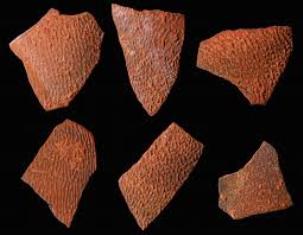


LONDON: A new study conducted at the University of Calgary looked into the porosity of dinosaur eggs and found that the nesting habits of some dinosaurs may have foreshadowed the nesting habits of birds.
Dinosaur nesting materials and nest structures are not typically preserved in fossil records, experts said. This lack of data had made it extremely difficult for scientists in the past to know how dinosaurs built their nests and how dinosaur eggs were incubated.
Now, in a paper featured in the journal PLOS ONE, Kohei Tanaka, a doctoral student, demonstrated the link between the porosity of eggshells and the different types of dinosaur nesting.
Tanaka, working under the guidance of Assistant Professor Darla Zelenitsky, carefully studied the eggshell porosity of 30 various species of dinosaurs. Tanaka compared his findings to the eggshell porosity of 120 species of crocodiles and birds which are considered to be the descendants of dinosaurs.
The study found that primitive dinosaurs incubate their eggs by burying them in the ground in a similar way that crocodiles bury theirs, while more advanced dinosaurs exposed their eggs in open nests.
Tanaka explained that birds that brood incubate their eggs in open nests and their eggshells tend to have low porosities compared to megapode birds and crocodiles that bury their eggs.
Most dinosaurs such as the long-necked sauropods, plant-eating ornithischians, and primitive theropods had produced eggs with high porosity, the study said.
Tanaka said the eggs of primitive carnivorous dinosaurs and long-necked sauropods were highly porous to allow for the distribution of carbon dioxide and oxygen while allowing water vapor to escape.

Karachi Port sets 138-year cargo handling record
KARACHI: Pakistan's maritime sector has achieved a major milestone as Karachi Port set a new record in its 138-year history...