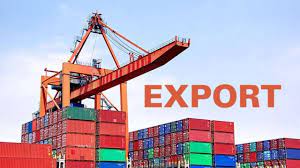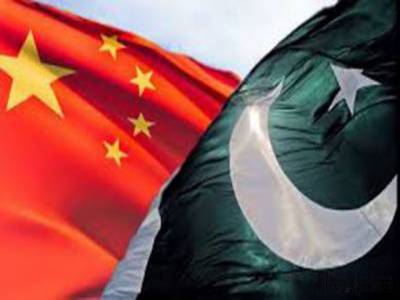
LAHORE: Pakistan is collaborating with China to begin exports of donkey meat and hides, opening a new and unexpected chapter in agricultural trade. The Ministry of National Food Security and Research (MNFSR) revealed the initiative in a report submitted to the National Assembly, showcasing wide-ranging efforts to modernize the country’s agriculture sector.
As part of the collaboration, 1,000 federal agriculture graduates will be sent to China for training in seven advanced fields of modern farming. The training aims to boost local expertise in technology-driven, sustainable agriculture. The ministry also reported that modern Chinese farm machinery has been distributed across provinces to support mechanization efforts.
A large-scale farm mechanization project is under approval, and regulatory updates are underway to allow hybrid cotton seed imports, aiming to revive Pakistan’s struggling cotton industry. Meanwhile, a newly introduced EWR warehousing system is giving wheat farmers better storage solutions and access to instant credit-up to 70% of market value. The export of dried chilies and sesame to China has already seen a significant rise.
To make Pakistan’s agricultural sector more competitive globally, the ministry is deregulating agri-commodity markets and encouraging foreign investment. It is also revamping the Variety Evaluation Committee (VEC) system to ensure approval of only high-yield, climate-resilient crop varieties, including wheat, cotton, rice, corn, and oilseeds.
Digital transformation is also underway. The National Seed Development & Regulatory Authority (NSDRA) has launched a Management Information System (MIS) to automate seed registration, certification, and approvals. Simultaneously, the federal government is trialing new wheat germplasm to enhance crop performance under climate stress. A new National Agri-Trade & Food Safety Authority (NAFSA) is being formed to streamline agro-food exports, while the NSDRA continues to improve seed quality and availability nationwide.