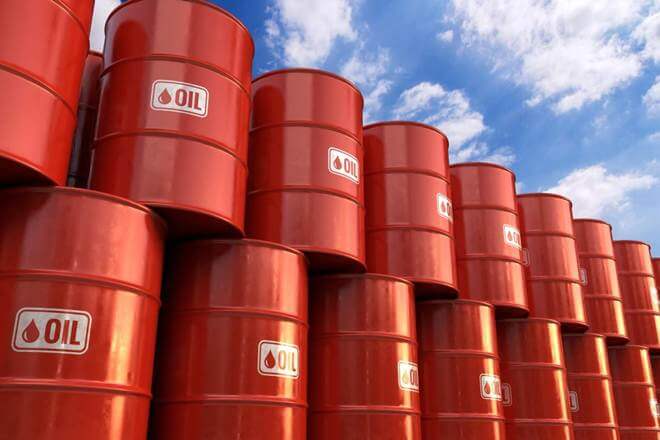
LAHORE: Pak-Arab Refinery Company (PARCO) has arranged two crude oil cargoes from routes outside the Strait of Hormuz to sustain operations amid ongoing disruptions to shipments through the key waterway.
The officials said that the refinery has extended its crude stock cover from March 15 to March 25 after securing the shipments. Each cargo contains about 70,000 barrels of crude oil sourced through alternative routes.


One cargo was arranged from Abu Dhabi National Oil Company (Adnoc) and shipped through the Fujairah port on the Gulf of Oman, a major oil storage and bunkering hub located outside the Strait of Hormuz.
The second cargo was sourced from Saudi Arabia through the East-West Crude Oil Pipeline, which transports oil from the kingdom’s eastern fields to Red Sea export terminals.
PARCO normally imports crude under a long-term agreement with ADNOC, with most shipments typically moving through the Strait of Hormuz. However, the current disruption forced the refinery to secure cargo through alternate routes.
A vessel of Pakistan National Shipping Corporation, MT Karachi, carrying crude oil for PARCO from ADNOC, remains stranded in the Strait due to the ongoing situation.
Officials said the refinery management is also attempting to arrange additional cargoes through routes that bypass the Strait to maintain operational continuity.
Meanwhile, Pakistan authorities indicated that if the crisis in the Strait of Hormuz continues, the government may approach Saudi Arabia to include Pakistan among preferred buyers receiving crude through Red Sea export routes. Such an arrangement could help sustain refinery operations if Gulf shipping disruptions persist.
Energy sector experts noted that while alternative crude routes may support refinery operations, liquefied natural gas imports could remain vulnerable because Pakistan relies heavily on supplies from Qatar, and Saudi Arabia is not a major LNG exporter.
PARCO operates with a refining capacity of about 120,000 barrels per day and has been running at full capacity for more than a year, making it a key component of Pakistan’s fuel supply chain.