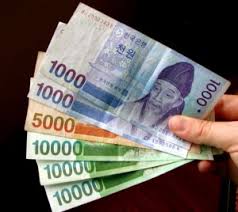
SEOUL: South Korea’s won led a decline in Asian currencies amid concern China’s interest-rate cut will lead to more weakness in the yuan and other regional exchange rates.
The won fell the most in a month after the People’s Bank of China lowered its policy rate for a sixth time since November late on Friday. That followed data last week that showed gross domestic product in China, South Korea’s biggest export market, increased at the slowest pace in more than six years in the third quarter. The devaluation of the yuan on Aug. 11 sparked declines in Asian exchange rates and raised fears of a currency war.

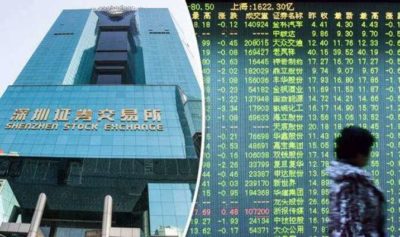
“The PBOC rate cut triggered concern about the Chinese economy and potentially you can see more Chinese currency weakness,” said Sim Moh Siong, a foreign-exchange strategist at Bank of Singapore. Ltd. “The Korean won was dragged along.”
The won fell 1 percent to 1,136.10 a dollar as of 10:08 a.m. in Seoul, the biggest drop since Sept. 23, according to data compiled by Bloomberg. That pared its gain this month to 4.3 percent, the best performance in Asia after Indonesia’s rupiah.
Ten-year government bonds declined, pushing the yield up one basis point to 2.12 percent in Seoul, Korea Exchange prices show. The three-year yield was little changed at 1.66 percent.