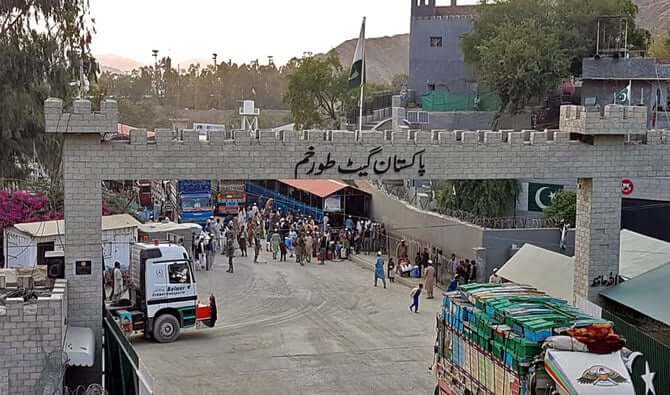
PESHAWAR: The year-long closure of the Torkham border crossing since October 2026 has caused estimated economic losses of Rs380 billion to Rs400 billion, leaving thousands unemployed and disrupting trade, transport and business activities in Landi Kotal and other areas dependent on cross-border commerce, according to local traders and business representatives.
As the closure completes one year, traders, customs clearing agents and residents associated with Pakistan-Afghanistan trade continue to face economic hardship, with the suspension of commercial activities affecting exports, imports and the livelihoods of labourers, taxi drivers, transporters, hotel owners and shopkeepers.


Former president of the Sarhad Chamber of Commerce and Industry Zahid Shinwari said trade with Afghanistan was economically important for Pakistan because it provided access to a nearby market at relatively low transportation costs.
He said geographical proximity allowed Pakistani products to remain competitive, while disruptions to regional trade affected exporters and restricted access to Central Asian markets.
Shinwari stressed the need to promote legal trade with Afghanistan and other neighbouring countries to increase exports and strengthen Pakistan’s economy.
He said Pakistan’s annual exports stood at approximately $32 billion against imports of around $75 billion, adding that expanding trade with Afghanistan could help narrow the trade deficit and create new markets for Pakistani products.
He estimated Pakistan’s imports from Afghanistan at between $1.3 billion and $1.5 billion.
According to Shinwari, Torkham remained a major trade route, alongside other crossings such as Chaman, Ghulam Khan, Kharlachi and Angoor Adda.
He said disruptions to cross-border commerce had affected businesses, industries, transport and service sectors across Khyber Pakhtunkhwa, particularly in the tribal districts, where industrial activity and alternative employment opportunities remained limited.
A substantial proportion of the population in these areas depended on trade, daily wages, transportation and small businesses, he added.
Shinwari urged the government to restore legal trade and introduce alternative employment opportunities for affected communities.
Senior customs clearing agent Haji Wahid Khan Shinwari said Pakistan had historically exported goods worth approximately $1.5 billion annually to Afghanistan, while imports from the neighbouring country exceeded $1 billion.
He said the border closure had caused substantial losses to Pakistani exporters, affected foreign exchange earnings and reduced government revenue from customs duties and other taxes.
Traders, clearing agents, transporters and labourers associated with cross-border commerce had also suffered financial losses, he added.
Wahid Khan Shinwari called for restoring trade with Afghanistan and improving access to Central Asian markets to support exports and revive business activity.
Meanwhile, Torkham Customs Agents Association President Mujib Shinwari estimated daily export losses at approximately $2.5 million and import-related losses at around Rs540 million.
He said cumulative losses from the prolonged closure had reached between Rs380 billion and Rs400 billion, according to estimates compiled by trade circles.
Mujib Shinwari said customs clearing agents, labourers, vehicle owners, taxi drivers, hotel operators and other businesses dependent on border activity had been severely affected, leaving many families struggling to meet daily expenses.
Local estimates suggested that approximately 2,500 taxi drivers and 3,000 labourers in Landi Kotal had lost their livelihoods because of the closure.
Some taxi drivers had reportedly been forced to sell their vehicles due to prolonged unemployment and difficulties meeting household expenses.
Traders said the daily earnings of labourers and drivers previously supported commercial activity in Landi Kotal’s markets, benefiting shopkeepers, hotels and other small businesses.
However, declining customer numbers had made it increasingly difficult for businesses to pay rent and meet operating expenses.
Local traders said markets that previously generated millions of rupees in daily business had experienced a sharp slowdown, with activity in several areas falling to a fraction of previous levels.
Mujib Shinwari argued that political differences and security concerns should not result in a complete suspension of trade between Pakistan and Afghanistan.
He said a workable mechanism could be developed to maintain legal cross-border commerce while addressing border security requirements.
Traders and business representatives urged the government to restore commercial activity at Torkham, saying the resumption of trade was essential to protecting livelihoods, reviving local markets and supporting economic activity in the border districts of Khyber Pakhtunkhwa.