Customs Today
  • Home
  • Islamabad
  • Karachi
  • Lahore
  • National
  • Transfers and Postings
  • Chambers & Associations
  • Business
No Result
View All Result
Customs Today
  • Home
  • Islamabad
  • Karachi
  • Lahore
  • National
  • Transfers and Postings
  • Chambers & Associations
  • Business
No Result
View All Result
Customs Today
No Result
View All Result
Home Latest News
tax

tax

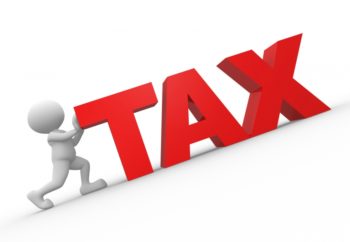
About 58pc people think poor people bear most tax burden in country

byIrfan Bahadur
06/07/2017
in Latest News, National
Share on FacebookShare on Twitter

PESHAWAR: About 58 % people think that lower class bears most tax burden in Pakistan. The Gallup Pakistan has conducted a survey to know the opinion of people about the collection of taxes by the Federal Board of Revenue.

The Federal Board of Revenue, in consultation with the Provincial Revenue Authorities, has stressed the need for increasing the number of taxpayers for which steps have been taken to provide modern technology for the recently established tax collection stations and customs laws enforcement institution.

You might also like

Pakistan remittances surge 20.2pc to $4.3b in May 2026

10/06/2026

NEC approves national development budget for FY2026-27

10/06/2026

The sources at the Customs House Peshawar informed Customs Today on Tuesday when asked about the most tax paid community in Pakistan that different Web base online services have been introduced by the FBR so far to measure the burden of tax on individual consumers or know which commodity pays how much tax in any part of the country.

An industry is charged with Income Tax while Sales Tax has been put on every item which has to be made at the industry so for the reason Sales Tax has been imposed on products and Inland Revenue Services make the collections, he said. The survey also includes that 30% people said that the middle class bears more taxes.

A nationally representative sample of men and women from across the four provinces was asked “is the burden of taxes more on the rich, the poor or the middle class?” In response to this question, 12% said the tax burden is more on the upper class, 58% said on the lower class while 30% said on the middle class.

The recent survey was carried out among a sample of 1,786 men and women in rural and urban areas of all four provinces of the country. Error margin is estimated to be approximately ± 2-3 per cent at 95% confidence level.

On the one hand, most tax has been paid by those who spend more money while people of low income can marginally adjust taxes paid on daily life utilities. The best example is high prices of fruits last month for which masses demanded actions against the fruit dealers to bring decline in prices, he added.
Related Stories

Pakistan remittances surge 20.2pc to $4.3b in May 2026

byCT Report
10/06/2026

ISLAMABAD: Pakistan received workers’ remittances worth $4.3 billion in May 2026, showing strong growth in inflows, according to official data....

NEC approves national development budget for FY2026-27

byCT Report
10/06/2026

ISLAMABAD: The National Economic Council (NEC) met in Islamabad under the chairmanship of Prime Minister Shehbaz Sharif and approved the...

Govt plans major tax relief for salaried class in upcoming budget

byCT Report
10/06/2026

ISLAMABAD: The government is preparing a major tax relief package for the salaried class in the upcoming federal budget, with...

Provinces agree to provide additional NFC share to federal govt

byCT Report
10/06/2026

ISLAMABAD: Provinces have agreed to provide an additional share of the National Finance Commission (NFC) resources to the federal government,...

Next Post

Customs Preventive ASO impounds 11 non-customs paid vehicles in June

  • Terms and Conditions
  • Disclaimer

© 2011 Customs Today -World's first newspaper on customs. Customs Today.

No Result
View All Result
  • Transfers and Postings
  • Latest News
  • Karachi
  • Islamabad
  • Lahore
  • National
  • Chambers & Associations
  • Business
  • About Us

© 2011 Customs Today -World's first newspaper on customs. Customs Today.