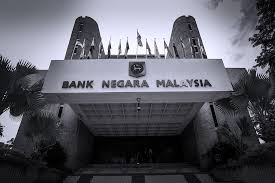
KUAL LUMPUR: Reform efforts by Bank Negara Malaysia (BNM) since 1994 has enabled the Malaysian economy to continue to remain resilient with financial and economic stability remains uncompromised despite volatility of capital flows and the ringgit in the recent period, said Second Finance Minister, Datuk Seri Johari Abdul Ghani. “In fact, our international reserves continues to strengthen ever since and as at end November 2017 the reserves amounted to US$101.9 billion and were able to support 7.5 months of retained imports,” he highlighted. Johari in an open letter to former Prime Minister Tun Dr Mahathir Mohamad explained that there was a difference between speculative foreign exchange activity from the orderly management of foreign exchange market. “It is very important for the public at large to understand the difference between speculative foreign exchange activities and orderly management of foreign exchange market,” he said in the letter. “The speculative foreign exchange activity, to put it in simpler words, is a kind of “gambling” activity with the hope of quick returns. “The orderly management of foreign exchange market, however, is very much different in that it is a facilitation of liquidity by BNM to market participants in the country for the purpose of mitigating imbalances with respect to the ringgit’s supply and demand in the market.” This occurred to the point that the monthly maturing buy and sell foreign exchange transactions which amounted to an average of RM140 billion in 1992 had increased to a staggering RM750 billion in 1993, he said.
“The substantial portion of such transactions was very speculative in nature and did not reflect BNM’s mandate to maintain orderly condition of the foreign exchange market as per Section 4 of the Central Bank of Malaysia Ordinance 1958.


“These speculative activities had caused BNM to suffer foreign exchange transaction losses amounting to RM31.5 billion during the period under review.” The Audit Report also stated that the voluminous speculative foreign exchange trading activities that the central bank had undertaken during that time were carried out by the Foreign Exchange Division of the Banking Department of BNM.